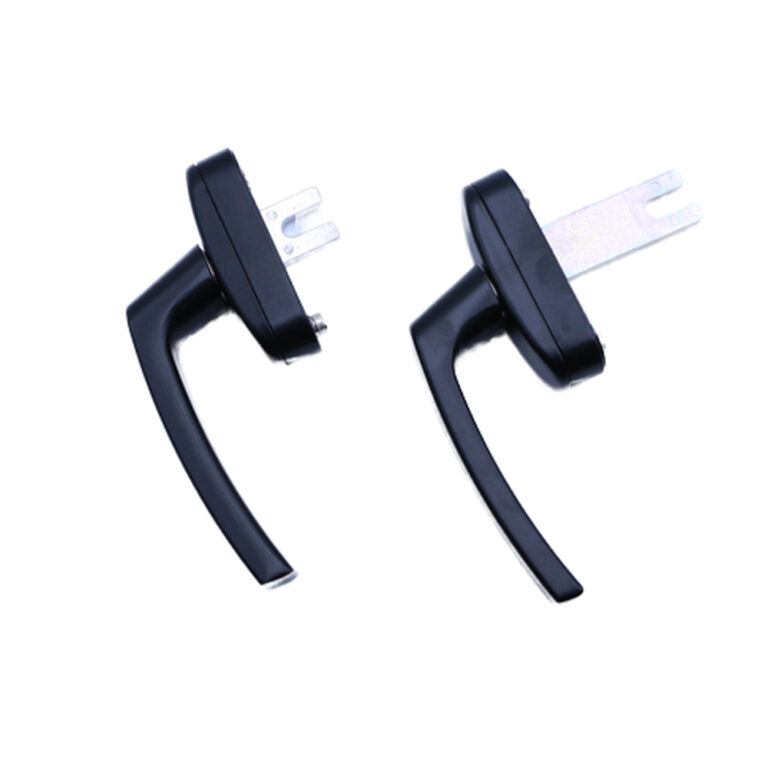
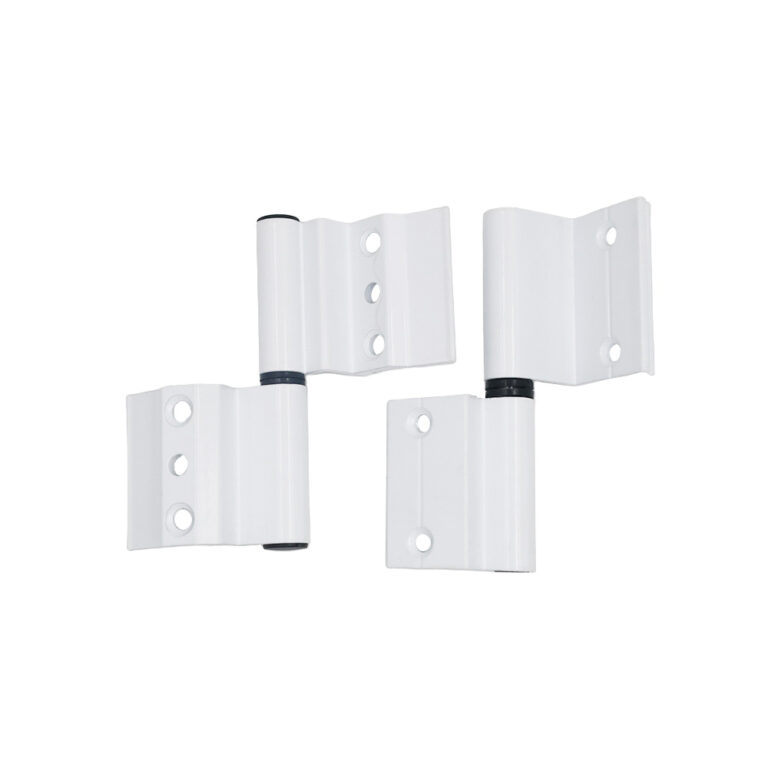
Looking for hardware solutions that meet European / American standards?
Use this guided inquiry modal to move from a generic quote form to a clearer technical conversation. Buyers can choose whether they need pricing, CAD / 3D files, or OEM / ODM support before sharing contact details.
Compatibility-first design across door / window systems
Repeatable production with clear inspection checkpoints
Documentation and change control for long-running programs
Responsive engineering support for fit and field feedback
A door handle spindle is the square metal shaft that transfers rotation from a lever or knob into the follower inside a latch, mortise lock or multipoint gearbox. Turn the handle, the spindle rotates, the follower moves, and the latch or locking mechanism responds.
That sounds almost too simple.
But the moment you move beyond a basic passage handle, spindle choice becomes part of the lock’s operating logic. A solid spindle may connect both levers continuously. A split spindle can allow the inside and outside handles to perform different jobs. A drilled spindle changes how the handle is mechanically retained on that shaft.
So which one should you specify?
My rule is simple: never order a spindle from diameter and length alone. Confirm its cross-section, construction, handle-retention method, door thickness, follower design and lock function first.
CHIER makes the same point in its guide to door handle and lock compatibility: spindle size and length are only two pieces of a much larger mechanical interface.
What a Door Handle Spindle Actually Does
Most conventional lever handles use a square spindle passing through a square follower in the latch or lockcase. When the lever rotates, the flats of the spindle push against the follower and transmit torque.
For many profile-door systems, an 8 mm square spindle is common. But common is not universal.
CHIER’s measurement guidance notes that spindle cross-section and spindle length need to be recorded separately, while its multipoint-lock data shows follower examples of 8 mm, 9 mm and 10 mm depending on the hardware family.
That difference matters.
An 8 mm spindle in a follower designed for something larger can introduce rotational play, poor lever feel and incomplete movement. An oversized spindle simply will not enter the follower. And even when the square size is correct, a spindle that barely enters the opposite lever can pull out or round the engagement surfaces under repeated use.
Before selecting any of the available door handle options, I would therefore record at least:
Spindle width across the flats
Overall spindle length
Finished door thickness
Required engagement inside each lever
Lock follower size
Whether the follower is single or divided
Handle fixing method
Inside/outside operating function
Spring arrangement
PZ and fixing centres where a backplate is involved
Measure first.
Then buy.
Solid vs Split vs Drilled Door Handle Spindles
The three terms describe different mechanical ideas, which is where buyers often get confused.
Spindle Type
Basic Construction
Typical Purpose
Main Advantage
Main Risk
Solid spindle
One continuous square shaft
Standard lever-to-lever operation
Simple, strong, inexpensive
Both sides normally act through the same follower
Split spindle
Two separate spindle sections or divided drive arrangement
Independent inside/outside handle functions
Allows different lever behavior on each side
Requires a compatible split follower or lockcase
Drilled spindle
Square spindle with one or more fixing holes
Positive handle/knob retention
Set screw or pin can locate mechanically
Hole position must match handle geometry
Threaded spindle
Threads machined into spindle ends
Traditional knob assemblies
Allows knob position adjustment
Wrong thread or worn threads cause looseness
Notice something important: “drilled” does not necessarily describe the operating function of the lock in the way “split” does.
A spindle can be solid in its basic construction and still be drilled for a retaining screw.
That distinction saves a lot of bad orders.
Solid Door Handle Spindles: The Default for Straightforward Operation
A solid door handle spindle is one continuous square bar connecting the handle on one side of the door to the handle on the other.
Push either lever and the same shaft turns.
Simple.
For passage doors, basic mortise latches and many conventional locksets, that direct connection is exactly what you want. There are fewer parts, installation is easy to understand, and replacement normally comes down to matching square size, length and handle engagement.
But “solid” does not mean universal.
A buyer can still get every important dimension wrong while ordering something correctly described as a solid spindle.
Where Solid Spindles Work Best
I would normally expect a solid spindle where:
Both handles are intended to operate the same latch
Independent external and internal lever behavior is unnecessary
The lock has one continuous follower
There is no special escape-side function
The handle manufacturer specifies a continuous square drive
For multipoint hardware, check the gearbox rather than assuming. CHIER’s explanation of how multipoint door locks work shows why the central gearbox, follower, faceplate and locking points have to be treated as one mechanism.
One bar. One system.
The Hard Truth About “8 mm Standard”
I dislike purchase descriptions that say only:
8 mm spindle
That is barely a specification.
An 8 mm square spindle might be correct in cross-section but wrong in length, end preparation, material, retention method or application. CHIER’s spindle-measurement guide notes that measuring from the edge rather than the centre of an 8 mm follower can introduce about 4 mm of error into another dimension.
Four millimetres is not rounding noise in door hardware.
It is a different fit.
Split Spindles: When the Two Handles Must Behave Differently
A split spindle separates the inside and outside lever drives so that each side can act independently through a compatible lock or gearbox.
This is not just a spindle cut in half for convenience.
ASSA ABLOY describes split-spindle lock functions that allow the door to remain conveniently operable from the inside while giving the external side different locking behavior. The company says it introduced the Split Spindle concept to the Swedish market in 2000, and its 600-series products include backsets of 35, 50 and 70 mm.
Why bother with that complexity?
Because sometimes inside and outside should not do the same thing.
What a Split Spindle Can Do
Depending on the lock design, split-spindle operation can support functions such as:
Free egress from the inside
Restricted operation from the outside
Lever-controlled latch operation on one side
Access-control functions
Hotel, office or institutional door functions
Panic or escape-side operation
ASSA ABLOY’s EA288/02 split spindle, for example, is specified as an 8 mm square spindle for 47–66 mm doors, with separate internal and external projections, and is intended to provide independent action of lever sets operating a mortise lock.
That is a real specification.
Compare it with “split spindle, standard size” and the problem becomes obvious.
The Lock Must Support It
This catches buyers constantly.
A split spindle does not magically create split function inside an ordinary continuous follower. The lockcase or gearbox must have the correct divided follower and internal mechanism.
ASSA ABLOY’s electronic security lock model 809 provides a useful example of how specific these systems become: one configuration lists a 9 mm follower, 65 mm backset, 72 mm centre distance, panic function using a split spindle, a 3 kN minimum latch-bolt load capacity, 6 kN minimum bolt load capacity, and a hardened bolt surface rated at 60 HRC.
Those numbers are why I would never approve a spindle by photograph.
Would you?
Split Spindle vs Solid Spindle
The practical difference is operating logic.
With a solid spindle, both levers normally rotate the same continuous drive. With a properly designed split system, each lever can interact with its own portion of the lock follower.
That distinction can affect security and egress, not merely convenience.
ASSA ABLOY even specifies split-spindle panic locks for evacuation applications where pressing the panic hardware must permit escape despite the locked condition of the door.
So replacing a split spindle with a solid one because “the dimensions fit” may change how the door functions.
That is not a cosmetic substitution.
Drilled Spindles: The Hole Is There for a Reason
A drilled spindle is a spindle with a hole—or series of holes—used to locate a retaining screw, pin or related handle-fixing component.
The drive can still be square.
The key difference is retention.
Traditional knobs and some handle assemblies use a set screw that enters a hole in the spindle instead of simply clamping against a flat metal surface. Hardware restoration suppliers also document spindle kits with drilled or tapped holes specifically for straight-tapped knobs and retaining screws.
This approach provides positive mechanical location.
But there is a trade-off.
Why Drilled Spindle Position Matters
Imagine a handle has to sit at a precise distance from the rose. If the retaining hole lands 5 mm farther along the spindle than the handle expects, tightening the screw may leave the knob loose, bind it against the rose, or fail to engage the hole at all.
A drilled spindle therefore needs more than:
Square size
Overall length
You also need:
Hole diameter
Hole position from the spindle end
Number of holes
Hole spacing
Whether the hole is plain, tapped or countersunk
Set-screw thread
Handle insertion depth
Old hardware makes this particularly messy.
Historic Houseparts notes that traditional door knobs may be retained by screws or pins and warns that some old set-screw sizes and thread counts can be difficult to replace.
This is one area where forcing a modern “close enough” replacement can create more work than measuring the original part properly.
Door Handle Spindle Sizes: What Should You Measure?
Here is the buying checklist I would put on the purchase order.
1. Measure the Square
Use a vernier caliper across two opposite flat faces.
Do not measure corner to corner.
If the spindle appears to be 8 mm, write 8.0 mm square after confirming it. Do not write “roughly 8.”
2. Measure the Full Length
Remove the spindle and measure end to end.
Then compare that figure with the finished door thickness and the depth of engagement available in both handles.
A long spindle can sometimes be shortened.
A short spindle cannot grow.
3. Check the Lock Follower
Measure or confirm the follower opening in the latch or gearbox.
Should the inside and outside handles do exactly the same thing?
If yes, a compatible solid spindle may be appropriate.
If no, inspect the existing lock for a split follower, panic function, night-latch behavior or access-control requirement before changing anything.
Why Spindle Choice Can Become a Safety Issue
It is tempting to treat this as tiny-component engineering.
Do not.
Door hardware controls whether people can open, close, latch, lock and escape through an opening.
The U.S. Access Board states that accessible door hardware should be operable with one hand without tight grasping, pinching or twisting of the wrist. Lever-shaped handles are specifically identified as acceptable, and covered operable parts generally must meet a 5 lbf operating-force threshold, equivalent to about 22.2 N.
The spindle is hidden, but it sits inside that operating chain.
And hardware failures have produced very real regulatory cases.
In 2019, the U.S. Consumer Product Safety Commission announced a recall involving Stanley commercial locksets after eight reports of latch failures; the products had sold for about $450–$650.
In 2021, dormakaba recalled delayed-egress locks after 56 reported incidents involving products designed around 15- or 30-second release delays.
Earlier, a 2010 CPSC recall covering about 6,500 connector kits followed three reported connector failures that could prevent doors from unlocking from the inside during an emergency.
No, those recalls were not caused by ordinary square spindles.
That is exactly the point.
A door is a system. Treating one operating component in isolation is how apparently minor substitutions become functional problems.
How to Choose the Best Spindle for Door Handles
The best spindle for door handles is the one specified for the exact handle, lock follower, door thickness and operating function—not automatically the strongest, longest or most common spindle on the shelf.
I would use this decision sequence:
Identify the lock or latch type.
Confirm whether the follower is continuous or split.
Measure the spindle across the flats.
Measure spindle length.
Measure door thickness.
Inspect the handle’s spindle-retention method.
Check drilled holes, threads or fixing features.
Confirm inside/outside operating behavior.
Check PZ and fixing centres for backplate handles.
Assemble and function-test a sample before approving quantity production.
And test the complete assembly.
If the lever does not return correctly, the problem may involve the handle spring, lockcase spring or combined spring load rather than the spindle alone. CHIER’s guide to sprung vs unsprung door handles explains why the handle, spindle, follower and lock return mechanism should be tested together.
That is the habit worth keeping.
Common Door Handle Spindle Buying Mistakes
Assuming Every Square Spindle Is 8 mm
Many are.
Not all are.
Manufacturer documentation includes 8 mm, 9 mm and 10 mm follower configurations, so measure the hardware in front of you.
Replacing a Split Spindle With a Solid One
Physically possible does not mean functionally correct.
You may change the way the outside handle, inside handle, latch or panic function behaves.
Ignoring Door Thickness
A spindle needs adequate engagement on both sides.
A marginally short spindle may work while the handle screws are loose and disengage after everything is clamped to the door.
Confusing Drilled With Split
They describe different features.
“Split” concerns divided drive and independent operation. “Drilled” describes holes used in the fixing or retention arrangement.
Ordering From a Product Photo
No.
A photograph cannot prove spindle width, engagement depth, hole location, follower design, PZ, fixing centres or internal lock function.
FAQs
What is a door handle spindle?
A door handle spindle is the square metal shaft that transfers rotation from a door lever or knob into the latch or lock follower, allowing handle movement to retract the latch or operate part of the locking mechanism. Its cross-section, length, engagement depth and compatibility with the lock all affect correct operation.
Most lever-handle spindles are square because the flat faces transmit torque without slipping inside a matching square follower. An 8 mm spindle is common in many systems, but 9 mm, 10 mm and other configurations also exist, so the existing hardware or technical drawing should be checked before replacement.
What is the difference between a solid and split spindle?
A solid spindle is one continuous shaft connecting both handles, while a split spindle separates the inside and outside drives so a compatible lock can give each lever a different operating function. Split systems are commonly used where free internal egress, restricted external access or another independent lever function is required.
The lockcase matters as much as the spindle. Installing two spindle sections into a mechanism designed around a normal continuous follower does not automatically create split-spindle operation. Confirm the follower design and lock function first.
What is a drilled door handle spindle?
A drilled door handle spindle is a square drive shaft containing one or more holes that allow a screw, pin or similar retaining component to locate the handle or knob positively on the spindle. The drilling relates primarily to handle retention rather than determining whether both sides of the lock operate independently.
When replacing one, check hole diameter, hole position, spacing and whether the opening is plain or threaded. A spindle can have the right length and square dimension yet still be useless if its retaining hole does not line up with the handle.
What size spindle do I need for a door handle?
The correct door handle spindle size is the square dimension and usable length specified for the handle, lock follower and finished door thickness, with enough engagement inside both handles to transmit torque securely. Although 8 mm square spindles are widely used, other follower sizes exist and should not be replaced by assumption.
Use a vernier caliper to measure the square across its flat faces, then remove the spindle and measure its overall usable length. Also record the finished door thickness and how deeply the spindle enters each lever.
Can I replace a split spindle with a solid spindle?
A split spindle should only be replaced with a solid spindle when the lock manufacturer confirms that the lock supports that configuration and the resulting inside/outside handle behavior is acceptable. Changing spindle type can alter latch operation, external access, escape behavior or other functions even when the replacement physically fits the follower.
Test the lock with the door open before putting it back into service. For security, fire, panic, access-control or public-building applications, follow the hardware manufacturer’s approved configuration rather than improvising a conversion.
How do I measure a door handle spindle?
To measure a door handle spindle, remove it, use a vernier caliper to measure the square width across two opposite flat faces, then measure its complete usable length from end to end. Record the door thickness, handle insertion depth and any drilled holes, threads, steps or split sections at the same time.
For handles on long backplates, also measure the PZ centres and fixing centres because correct spindle dimensions alone do not prove that a replacement handle will fit the lock or existing door preparation.
Specify the Spindle Before You Approve the Handle
A spindle costs little compared with a complete door set.
It can still stop the whole thing working.
If you are sourcing door handles, multipoint locks or OEM hardware, send the supplier the lock model or drawing, spindle cross-section, required length, finished door thickness, PZ centres, fixing centres, inside/outside function and clear photographs of the existing interface.
For new projects, start with the mechanical system rather than the finish.
CHIER supports door and window hardware programs with drawing review, sample validation and compatibility checks, so use the door handle range to shortlist the visible design only after the spindle and lock interface are defined.
Need a custom spindle, handle or lock configuration? Send CHIER your drawing, physical sample or critical dimensions and request a compatibility review before tooling, sampling or mass production.