Looking for hardware solutions that meet European / American standards?
Use this guided inquiry modal to move from a generic quote form to a clearer technical conversation. Buyers can choose whether they need pricing, CAD / 3D files, or OEM / ODM support before sharing contact details.
Compatibility-first design across door / window systems
Repeatable production with clear inspection checkpoints
Documentation and change control for long-running programs
Responsive engineering support for fit and field feedback
The Small Lock That Quietly Decides Whether a Window Leaks
Locks get blamed.
But in too many window programs, the lock is treated as a cheap visible part instead of a pressure-control device, even though the cam, keeper, screw position, sash stiffness, gasket stack, and user feedback all decide whether the window actually seals after 5,000 cycles. Why do buyers still approve sealing claims from a sample board?
I’ll say the quiet part out loud: a crescent lock does not “create” energy efficiency. Glass does not suddenly perform better because a latch looks clean. EPDM does not recover magically because a handle has a black finish. But a well-designed crescent lock can help the sash stay seated against the weatherstripping, and that is where real window sealing performance begins.
The U.S. Department of Energy says heat gain and heat loss through windows are responsible for 25%–30% of residential heating and cooling energy use. That is not a small-side issue. That is the building envelope asking hardware engineers to stop pretending that locks only matter for theft.
The National Fenestration Rating Council also gives us the right vocabulary. NFRC describes Air Leakage as how much air enters a room through a product, with lower values preferred. ENERGY STAR Version 7.0 goes further for residential windows, sliding doors, and skylights, setting an air leakage requirement of ≤ 0.3 cfm/ft². That number should make every window lock buyer pause.
Because here is the hard truth: the lab value may be published under the whole window assembly, but the lock still helps decide whether the sash repeats that performance in the field.
For buyers comparing actual hardware, I would start with Chier’s Crescent Locks and Window Latches category, then look at how each lock engages the keeper, not how polished the product image looks.
Crescent Lock Design Is Really Compression Geometry
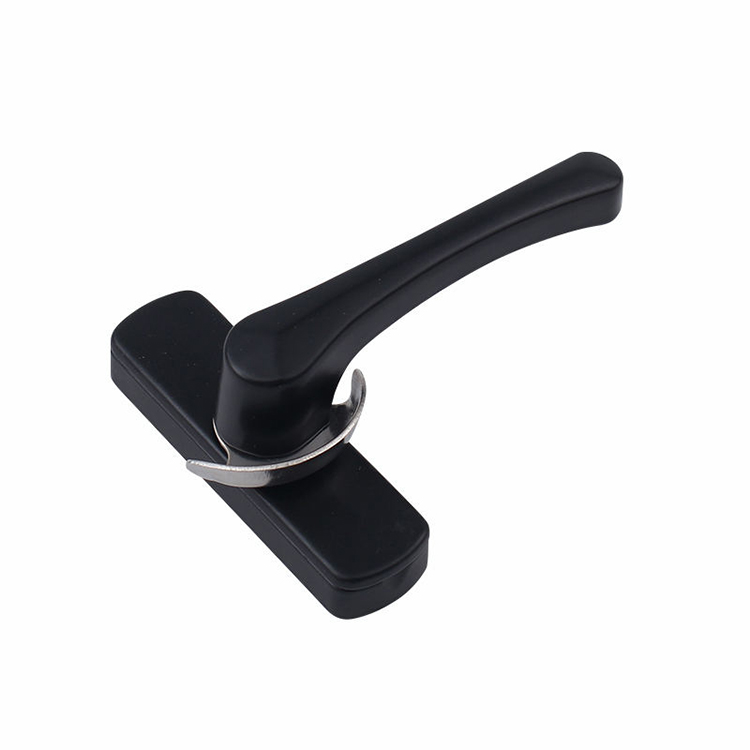
A crescent lock works by rotating a cam, hook, or crescent-shaped latch into a keeper so the sliding sash is drawn toward the meeting rail or frame. That sounds simple. It is not.
A lazy crescent lock merely catches.
A better crescent lock pulls.
The difference is small on paper and ugly in the field. A lock with weak throw, sloppy pivot tolerance, thin keeper engagement, or poor screw positioning may close the window visually while leaving the weatherstripping barely touched. The user thinks the window is locked. The air path disagrees.
That is why I look at these design details first:
Design Factor
What It Changes
Bad Design Result
Better Specification Target
Cam throw distance
Pull-in depth at meeting rail
Sash looks closed but gasket is not compressed
Controlled pull-in without excessive handle force
Keeper ramp angle
Engagement smoothness
Scraping, bounce-back, false locking
Guided engagement with minor tolerance forgiveness
Screw spacing
Keeper stability
Keeper shifts after repeated use
Screws bite into reinforced sash or frame material
Pivot tolerance
Repeatability
Loose lock feel, uneven compression
Low play after cycle testing
Finish thickness
Fit consistency
Powder coat buildup changes engagement
Finish allowance included in drawings
User feedback
Full-close recognition
User leaves sash half-latched
Clear tactile stop at locked position
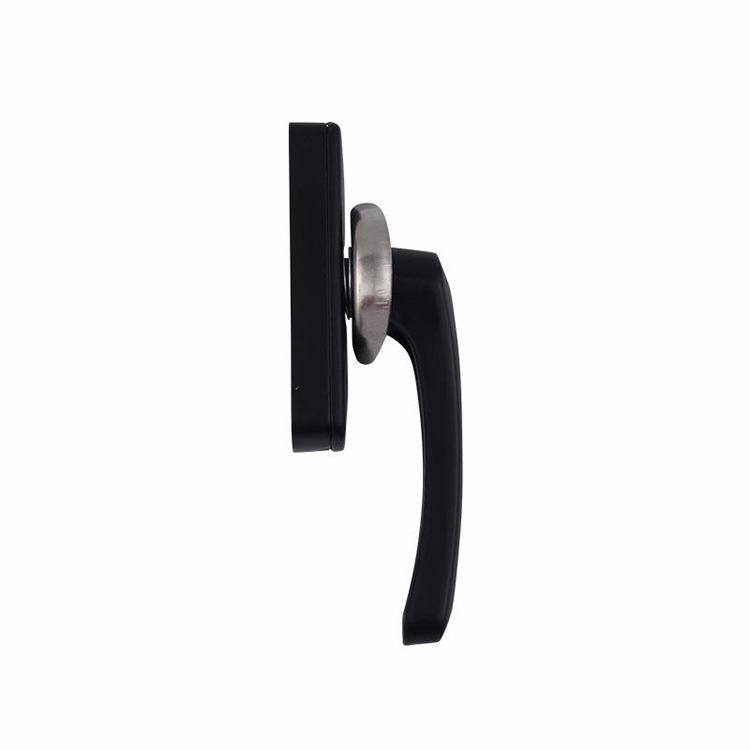
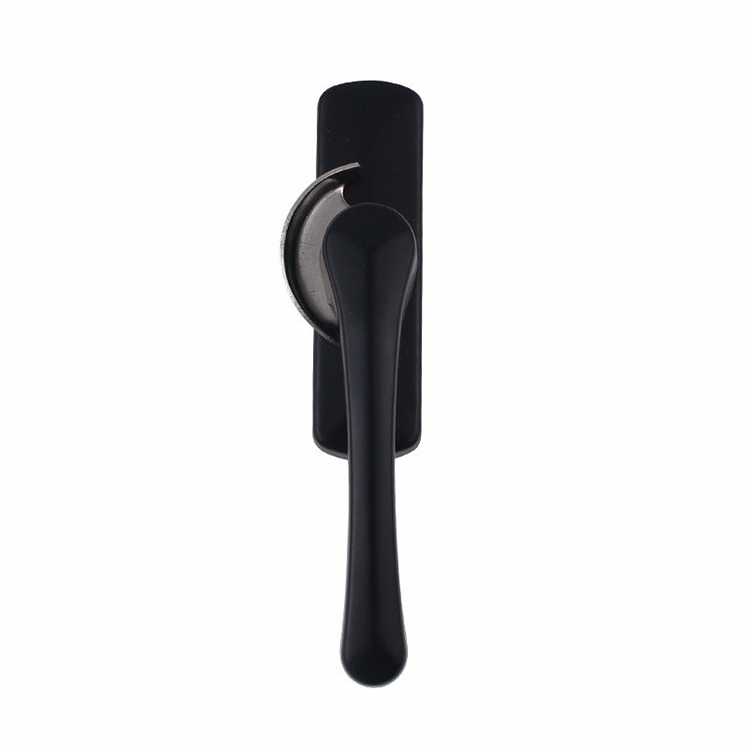
This is where Chier’s OEM keyed aluminum crescent window latch lock handle fits the conversation. I am not praising it as magic hardware. I am saying the product type is exactly where OEM buyers should ask the uncomfortable questions: What is the cam travel? What keeper tolerance is allowed? What happens after salt spray, dust, and repeated closing force?
And yes, key cylinders can add access control for rentals, offices, storefronts, and multi-unit buildings. But sealing performance still depends on whether the crescent action pulls the sash tight enough for the gasket to do its job.
Table of Contents
Air Leakage Is Not a Mystery; It Is Usually a Gap With a History
Air leaks talk.
They usually start as a thin, boring, almost invisible failure at the meeting rail, latch side, bottom corner, or weatherstripping line. Then the occupant reports drafts. Then service blames installation. Then purchasing blames the supplier. Then everyone forgets that the lock was approved from a desk sample with no aged gasket and no wind load.
The Lawrence Berkeley National Laboratory paper Air Leakage of Newly Installed Residential Windows found that 40% of tested windows had air-leakage characteristics higher than a 0.50 cfm/lfc standard, and 60% exceeded manufacturer specifications. That is the kind of field finding that makes catalog claims look soft.
So let us stop talking like “window lock sealing” means the lock alone blocks air. It does not. The lock is a force path. The seal is usually EPDM, TPE, silicone, brush pile, foam, or a hybrid gasket. The frame may be aluminum, uPVC, timber, or thermally broken aluminum. The sash may flex. The keeper may drift. The gasket may take compression set. The crescent lock sits in the middle of all of it.
For sliding systems, a sliding window sash lock flush pull should be judged by repeatable alignment and sash control, not just compact appearance. A flush body that looks clean but cannot maintain meeting-rail pressure is just a nicer-looking complaint.
Where Most Crescent Locks Fail in Real Use
I do not trust “smooth operation” as a standalone claim. Smooth can mean precise. It can also mean under-engaged.
The first failure point is shallow keeper engagement. If the crescent barely catches, the lock may survive casual use but lose pull-in force under wind pressure, profile movement, or gasket resistance. That is how a sliding window lock becomes a decoration.
The second failure point is over-compression. This one gets ignored because buyers want “tight.” Too tight is not quality. Too much compression can create hard operation, bent keepers, latch bounce, screw loosening, and users who stop locking the window fully because the handle feels wrong.
The third failure point is tolerance stacking. A 6063-T5 aluminum profile, powder coating at 60–100 μm, EPDM gasket variation, screw-hole drift, and keeper placement error can add up fast. A lock that worked in the prototype can feel nasty after production tooling, surface finishing, and installation reality get involved.
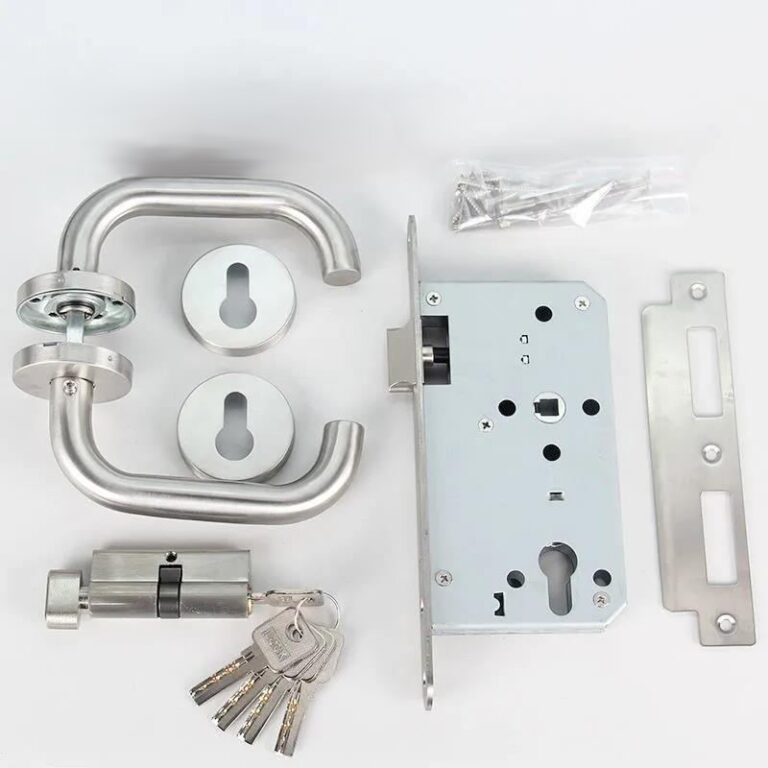
This is why Chier’s broader door and window hardware system guide is more useful than a one-part mindset. Handles, hinges, latches, locks, gearboxes, rollers, restrictors, keepers, fasteners, and weatherstripping should be evaluated as one operating assembly. That sounds obvious. It is rarely done well.
The Evidence Says Hardware Has to Support the Seal, Not Replace It
Energy data can be abused.
I do not want to see a supplier claim that a crescent lock alone cuts energy bills by 15%, 20%, or 30%. That is sloppy marketing. But I also reject the opposite lazy view: “It is only a lock, so it cannot affect sealing.”
Both positions are wrong.
A federal case study hosted by OSTI on the Low-E Retrofit Demonstration and Educational Program reported that storm windows reduced overall home air leakage by an average of 17%, or 3.7 ACH50, in 10 older Atlanta-area homes with single-pane windows. In Philadelphia multifamily buildings, replacing old clear storm windows with modern low-E storm windows produced 18%–22% heating energy-use reductions, 9% cooling energy-use reduction, and 10% average apartment air leakage reduction.
A separate PNNL Lab Homes evaluation of interior low-e storm windows found measured HVAC energy savings of 8.1% in the heating season and 4.2% in the cooling season when interior low-e storm windows covered about 74% of window area. PNNL also noted that the storm windows did not significantly reduce whole-home leakage in that test because the primary windows were already well sealed.
That last part matters.
If the baseline window is already tight, a new layer may not reduce leakage much. If the baseline window is leaky, sealing improvements can show up fast. The same logic applies to crescent lock design: the lock helps most when the existing failure is poor sash pull-in, weak keeper alignment, tired weatherstripping contact, or sloppy meeting-rail pressure.
For larger systems, Chier’s article on how multi-point locks improve air tightness and security makes a related point: a lock is a pressure-management component. Crescent locks are simpler than multi-point systems, but the engineering principle is the same. The gasket can only seal if the sash meets it.
My Specification Checklist Before I Believe a Sealing Claim
I would not approve a crescent lock for a sealing-sensitive window line without asking for proof. Not adjectives. Proof.
Here is the checklist I would use for an OEM buyer, project specifier, or window brand:
Specification Question
Why It Matters for Window Sealing Performance
What is the measured pull-in distance of the crescent cam?
Confirms whether the lock actually draws the sash into the gasket
What is the recommended keeper position tolerance?
Shows whether the design survives real installation variation
Has the lock been cycle-tested with the actual sash and gasket?
Standalone lock tests miss gasket compression and frame movement
What handle force is required after gasket aging?
Hard operation creates user non-compliance
What happens after powder coating or anodizing variation?
Finish thickness can change engagement geometry
Are screws biting into reinforcement or thin profile wall?
Keeper movement destroys repeatable compression
Is the lock tested after corrosion exposure?
Coastal chloride, condensation, and cleaning chemicals can change friction
Can the user clearly feel full engagement?
False locking ruins both security and sealing
And here is the line that usually makes suppliers uncomfortable: show me the failed samples.
A vendor with no failed samples has either done no serious testing or is hiding the useful evidence. I want to see the bent keeper, stripped screw hole, worn cam face, polished contact patch, and cracked coating. That is where the truth is.
For OEM and ODM programs, the best use of Chier’s products catalog is not browsing for a part that “looks close.” It is building a shortlist, then forcing the shortlisted hardware through drawing review, sample fitment, gasket-pressure checks, and production tolerance review before mass approval.
The Best Window Lock for a Tight Seal Is Usually Not the Flashiest One
The best window lock for a tight seal is not always the heaviest one, the keyed one, the black one, or the one with the most dramatic product photo. It is the one that repeatedly aligns the sash, compresses the seal enough but not too much, survives cycle wear, resists corrosion, and gives the user honest feedback.
That is boring.
Good. Boring parts protect brands.
A crescent lock should be judged as part of a sealing stack: sash stiffness, keeper reinforcement, gasket material, profile tolerance, screw retention, finish thickness, and installer behavior. On a sliding aluminum window, even a 1 mm keeper shift can change how the meeting rail contacts brush pile or compression gasket. On a rental unit, repeated rough operation may matter more than showroom smoothness. In coastal work, 304 stainless screws, appropriate coating, and corrosion testing can matter more than lock color.
So my controversial opinion is simple: many window sealing problems blamed on “bad weatherstripping” are actually lock-and-keeper problems wearing a gasket costume.
FAQs
How does crescent lock design affect window sealing performance?
Crescent lock design affects window sealing performance by controlling how firmly and evenly the sash is pulled into the frame gasket, which changes contact pressure at the meeting rail, keeper, and weatherstripping line under wind, temperature shift, and repeated operation. A better cam and keeper design reduces false closure, uneven gasket contact, and small leakage paths.
In practical terms, the lock must do more than hold the window shut. It must bring the sash into the correct compression zone without making operation so stiff that users avoid locking it fully.
What is a window sash lock?
A window sash lock is a mechanical latch that holds a movable sash against its frame or meeting rail, and its sealing value depends less on visible strength than on cam travel, keeper alignment, screw bite, gasket set, and how consistently users close it fully. It is both a security part and a positioning part.
For sliding windows, the sash lock often decides whether the meeting rail sits tight or floats slightly open. That tiny difference can become a draft complaint.
What is window air leakage?
Window air leakage is the measured movement of air through or around a fenestration product, usually stated in cubic feet per minute per square foot, and it rises when the sash, lock, keeper, gasket, frame, or installation tolerance fails to hold a steady seal. Lower leakage values mean better airtightness under defined test conditions.
Do not confuse air leakage with U-factor. U-factor describes heat transfer through the assembly, while air leakage measures air movement through gaps and imperfect seals.
What is the best window lock for a tight seal?
The best window lock for a tight seal is the lock that matches the sash type, keeper geometry, gasket compression target, frame material, corrosion exposure, and cycle-life requirement, then proves its performance through sample testing instead of relying on catalog claims. A good lock supports the seal; it does not replace it.
For OEM buyers, that means checking real sash fitment, not just ordering from a photo. The lock, keeper, gasket, and frame must be approved together.
Your Next Steps: Stop Approving Crescent Locks From Photos
Do not choose a crescent lock because it looks clean on a white background.
Choose it because the cam travel is documented, the keeper geometry tolerates real installation variation, the screws hold under repeated use, the finish does not ruin fit, and the lock helps the weatherstripping maintain contact after the window has lived through heat, dust, wind, cleaning, and impatient users.
If you are specifying crescent locks for sliding windows, aluminum window systems, rental units, storefronts, or OEM production, request drawings, samples, cycle-test data, corrosion evidence, and sash-fit feedback before approving the final part. Then test the lock with the actual gasket and profile.
That is the only honest way to protect window sealing performance.