Looking for hardware solutions that meet European / American standards?
Use this guided inquiry modal to move from a generic quote form to a clearer technical conversation. Buyers can choose whether they need pricing, CAD / 3D files, or OEM / ODM support before sharing contact details.
Compatibility-first design across door / window systems
Repeatable production with clear inspection checkpoints
Documentation and change control for long-running programs
Responsive engineering support for fit and field feedback
The Ugly Reality: Your Multipoint Lock Transmission Is Usually Not the Only Villain
Lock failure lies.
I have enjoyed installers blame a multipoint lock gearbox in 5 minutes, order a substitute by faceplate size, fit it with just enough confidence to look specialist, and after that act surprised when the exact same door still refuses to involve the leading hook, lower shoot screw, or roller webcam after the customer has actually paid twice. Why does this happen so often?
Due to the fact that the transmission is visible. The real problem may be 1.5 mm of caretaker drift, a bowed uPVC sash, a worn out joint set, an over-compressed gasket, a wrong pin length, or a securing strip that was never ever matched appropriately to the framework to begin with.
That is the difficult fact. A multipoint door lock transmission is not a standalone magic box. It is the transmission inside a bigger mechanical disagreement.
An integrated multipoint lock system depends on five points working together: gearbox traveling, locking-point geometry, manage input, keeper position, and door/frame placement. If among those changes, the lock might still move when the door is open yet bind the minute the door shuts. That is why the phrase “multipoint lock not involving” is generally also unclear to be helpful.
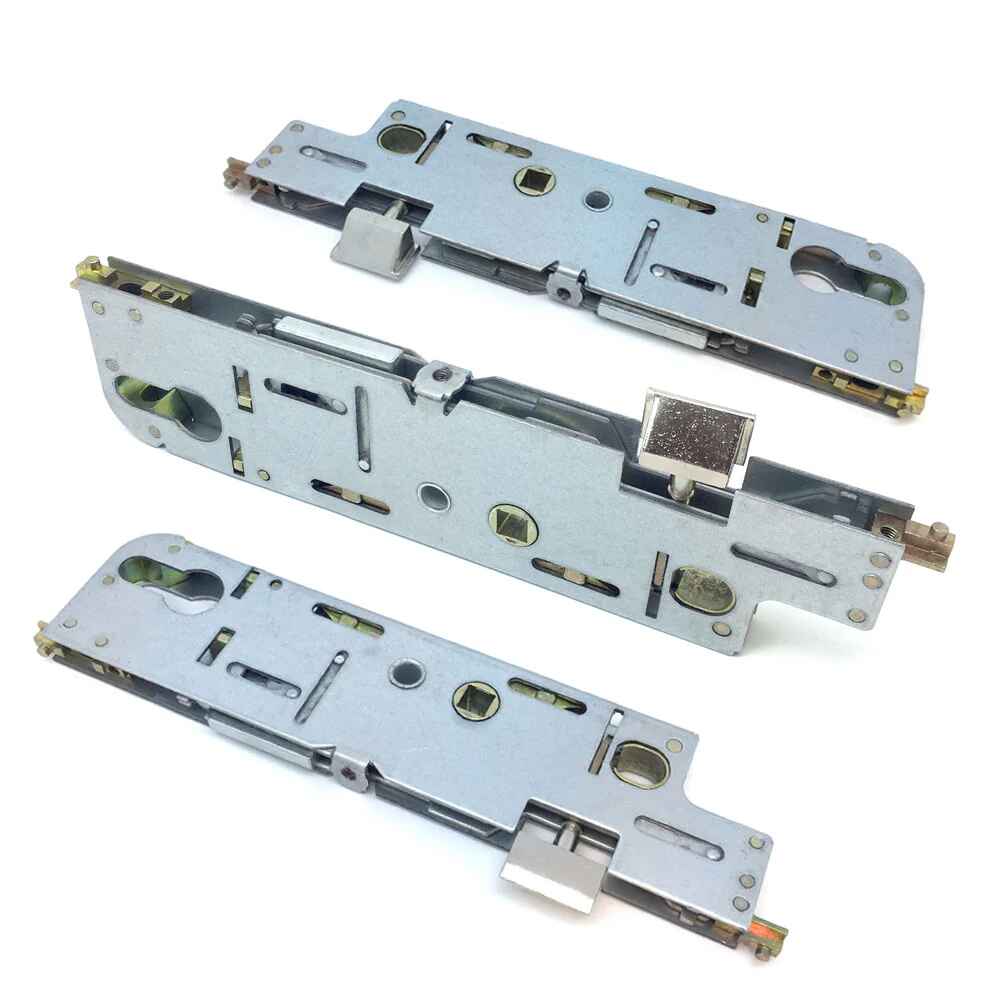
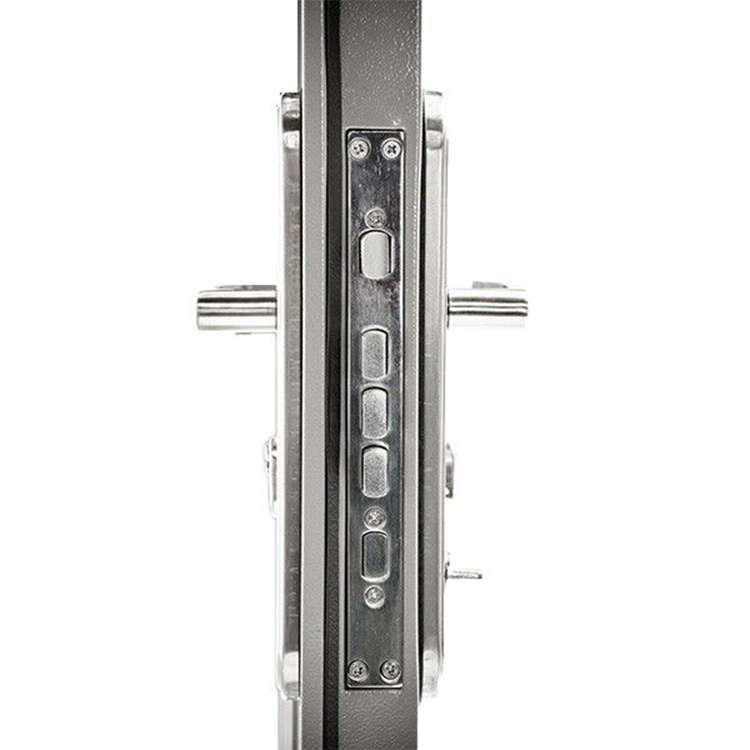
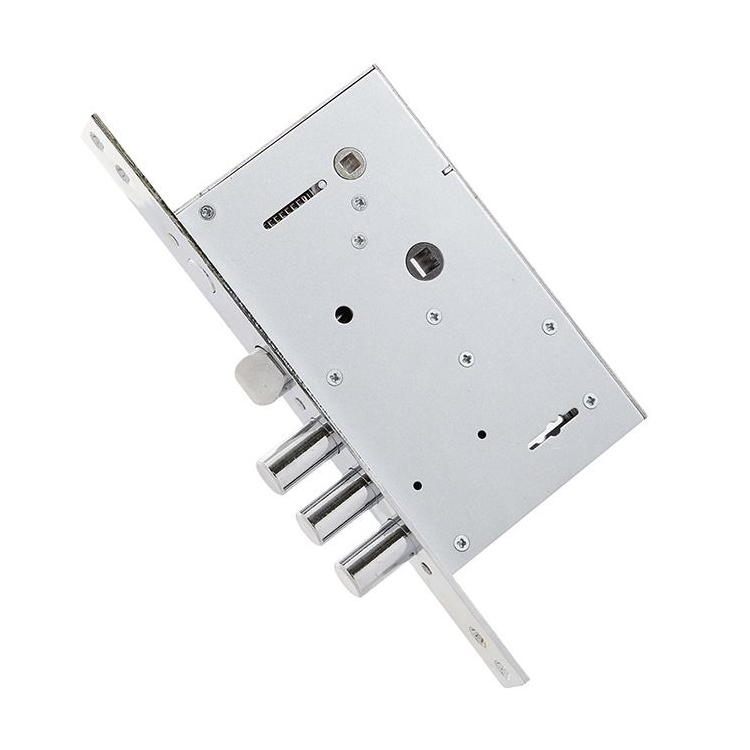
For OEM customers and door brand names, I would begin with an appropriate system view, not a spare-part panic. Foshan Chier’s multi-point lock systems category is the right internal reference point because the issue is not just the center lockcase. It is the entire securing side.
First Examination: Different Transmission Failing From Positioning Failure
Prior to changing the multipoint lock transmission, test the door open.
Unlock. Lift or turn the manage. View every securing factor relocation. Do the hooks, screws, rollers, and latch points extend efficiently? Does the handle return easily? Does the crucial throw without grinding? If the device works freely while open yet fights while shut, the gearbox is not your initial suspect. The frame is.
Basic examination. Large savings.
When the lock functions open and fails closed, I promptly check out caretaker placement, pivot droop, sash compression, frame motion, and the relationship between the securing points and their receiving plates.: the lock is doing its work till the structure asks it to do that task in the wrong area.
According to the U.S. Division of Power, air leak around windows and doors is determined under pressure distinction, and a lower air-leakage score indicates a tighter product when effectively mounted. That issues due to the fact that multipoint locks do more than resist break-in; they additionally manage compression along the door side, which affects sealing stress and user pressure.
Right here is the unpopular component: lots of “busted gearboxes” are really compression troubles. The door is being drew too difficult right into the gasket at one zone and hardly contacting at another. So the customer raises harder, the transmission sees greater torque, the deal with gets criticized, and the real mistake sits unblemished in the caretakers.
The 60-Second Door-Open Diagnosis
Use this sequence before purchasing components:
Unlock completely.
Operate the take care of gradually.
Mark each relocating securing point with tape or pencil.
Verify full extension and retraction.
Shut the door delicately without raising the take care of.
Check whether the lock rests naturally in the strike.
Lift or turn the manage again.
Pay attention for scratching, clicking, bending, or a dead stop.
Contrast the locking-point marks against keeper areas.
Examine the key only after the manage has actually completed its full traveling.
If the take care of is smooth open and stiff closed, quit condemning the transmission. The lock is informing you the door and framework are arguing.
Where Synchronization Really Breaks
A synchronized multipoint door lock transmission moves a number of securing factors through a defined travel path. That may mean hooks revolving into caretakers, shoot screws prolonging up and down, rollers drawing right into mushroom keeps, or deadbolts throwing from the facility case. The system stops working when one factor reaches resistance before the others full traveling.
That is the moment damage starts.
I do not like “close adequate” door equipment. It produces pricey rubbish: cut keeps, over-lubricated transmissions, rounded spindle hubs, curved drive rails, fractured handles, and solution telephone calls where everyone pretends the substitute part was defective.
Table of Contents
Usual Sources Of Gearbox and Locking Factor Misalignment
Failure Factor
What You See
What Is Normally Taking place
What I Would Check Very first
Caretaker expensive or reduced
Top or lower factor will not engage
Door has actually dropped, framework shifted, or keep was fitted wrong
Joint adjustment, reveal spaces, caretaker screw marks
Gearbox traveling mismatch
Locking factors relocate partially however not completely
Substitute transmission does not match lock strip traveling
Initial gearbox version, backset, PZ, fan placement
Handle inequality
Manage really feels stiff or does not return
Wrong spindle size, PZ, screw facilities, or lever geometry
Handle-to-lock compatibility
Gasket over-compression
Door should be pressed or drawn difficult before securing
Compression tons goes beyond the lock’s useful pressure variety
Weatherseal density, structure bow, roller camera setting
Used transmission hub
Handle lifts however points delay or leap
Inner cam, follower, or equipment teeth are worn
Transmission have fun with strip detached
Bent faceplate or drive rail
One factor binds despite door open
Lock strip has actually been required, knocked, or inaccurately repaired
Straightness of strip and fixing screw stress
Incorrect cyndrical tube timing
Secret turns just after deal with pressure
Deadbolt and take care of sequence are not finishing easily
Cylinder forecast, camera placement, transmission lock state
The most dangerous sentence in this profession is: “It looks the very same.”
A 35 mm backset does not show compatibility. A 92 mm PZ does not verify compatibility. A similar faceplate does not prove compatibility. A low-cost substitute multipoint door lock transmission that virtually fits can silently mess up a door that would certainly have made it through one more years with correct medical diagnosis.
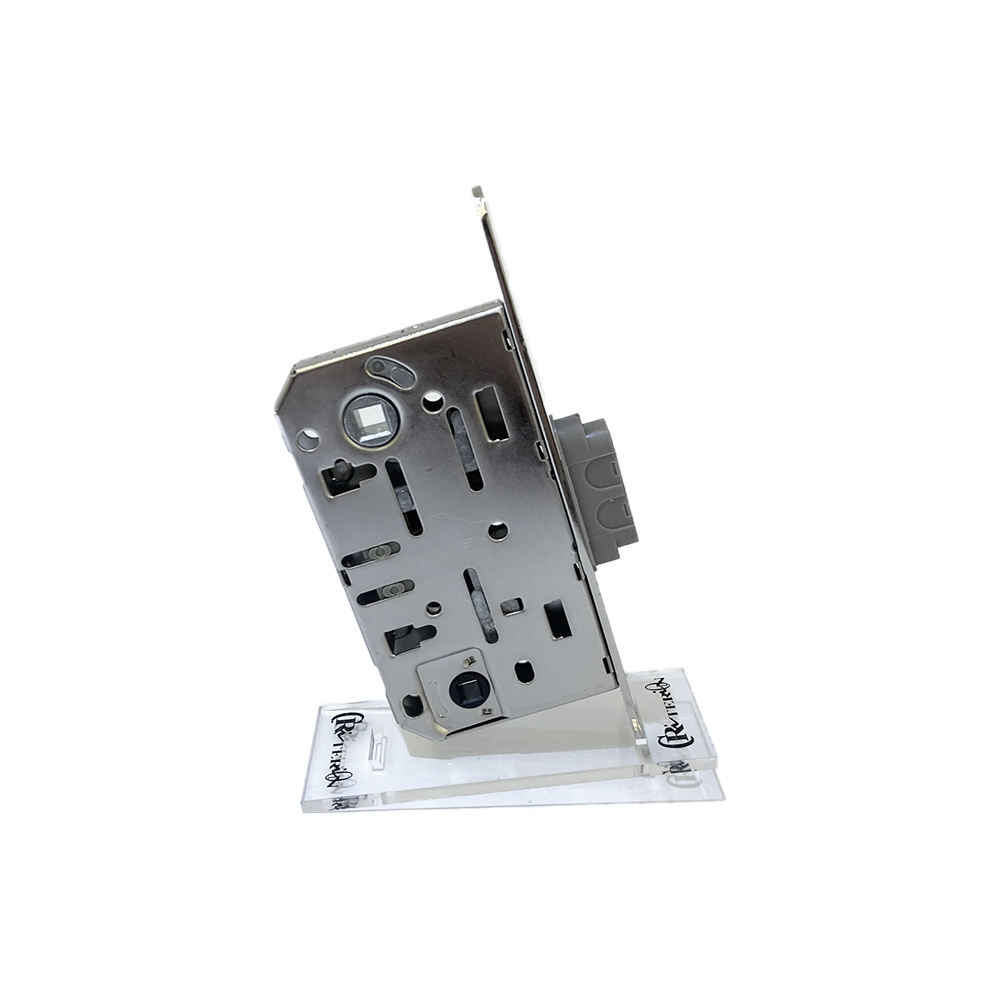
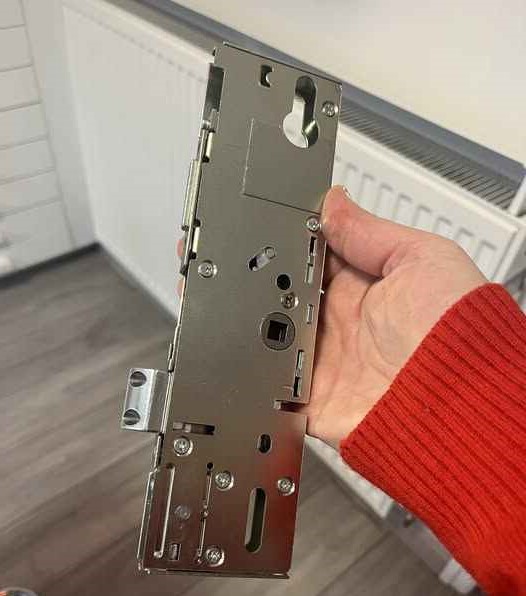
For substitute sourcing, the far better inner path is lock boxes and transmissions, because that classification attaches the lock body and transmission components rather than dealing with the gearbox as a generic repair work product.
The Evidence Customers Overlook: Cycles, Load, Egress, and Crime Information
Safety equipment people enjoy big claims. “Sturdy.” “Costs.” “High security.” I trust nearly none of it unless someone can show testing reasoning.
The Builders Hardware Manufacturers Association describes that ANSI/BHMA A156.37-2025 covers multipoint locks by quality, with Quality 1 representing the greatest efficiency degree. BHMA’s public equipment highlight states that Grade 1 multipoint locks must pass one million opening-and-closing cycles with a 10-pound axial lots, and additionally recommendations a 1,350-pound Grade 1 screw toughness examination with all latching factors engaged.
That is a useful number. Not a motto.
Now put that close to field reality. Reuters reported FBI 2024 data revealing united state building crime reduced 8.1%, with burglaries down 8.6%, while the FBI’s release additionally kept in mind more than 14 million criminal offenses reported for 2024 through getting involved agencies. Reduced theft numbers do not suggest equipment purchasers get to relax. It means weak equipment needs to be evaluated versus genuine threat, real reporting limitations, and genuine building efficiency, not fear-based sales brochure language.
However below is my greatest caution: a multipoint lock that can not be released appropriately from the inside is not “safe.” It is a liability using a faceplate. UL’s Code Authority guidance on access and egress control states that national codes typically call for free and unhampered egress, and that doors have to be openable from the occupant side without tools, special understanding, or keys. That matters when individuals start mixing mechanized locks, gain access to control, panic habits, and multipoint systems.
So the sincere standard is not “Does it lock?” The truthful requirement is “Does it lock, seal, launch, endure, and repeat under the actual door conditions?”
How to Synchronize a Multipoint Door Lock Gearbox and Locking Information
Begin with the door, not the component number.
If I am contacted us to a uPVC door lock system or aluminum multipoint system where the locking factors are not lining up, I do not touch lube first. Lube can conceal signs and symptoms for a week and preserve negative thinking for a year.
Step 1: Verify the Door Is Square Sufficient to Diagnose
Check the reveal gaps around the door. Procedure the top, middle, and bottom lock-side clearance. A 2 mm change can be enough to stop hooks or rollers from going into caretakers cleanly, specifically on tall doors with compression seals.
Take a look at hinge-side sag. If the leading void is larger at the lock side and the bottom lock-side space is tight, the door has actually likely dropped. Adjust joints before readjusting keepers. Otherwise, you are adjusting the frame around a bad door setting.
Step 2: Evaluate the Lock Strip With the Door Open
Operate the manage and essential while the door is open. The multipoint lock gearbox ought to relocate the complete strip without grinding, leaping, or dead areas. If the strip binds while open, separate or loosen up sections meticulously and identify whether the mistake is inside the gearbox, the drive rail, a hook instance, a shoot screw, or a repairing screw that has actually pinched the faceplate.
Do not compel it. Ever before.
A forced manage can strip the transmission follower or flex the drive rail, turning a caretaker adjustment right into a complete replacement.
Action 3: Mark the Locking Things and Caretaker Centers
Use pencil, tape, or detachable marker to recognize where each securing factor lands against the framework. Then contrast that to the caretaker openings. You are searching for upright inequality, deepness mismatch, and compression inequality.
Vertical inequality implies the point is expensive or low.
Depth inequality implies the point can not take a trip far sufficient into the maintain.
Compression mismatch implies the door has to be pushed, drew, or lifted prior to interaction becomes feasible.
Step 4: Adjust Keepers in the Correct Order
Readjust the facility lock and deadbolt area first. After that top and bottom factors. After that roller webcams or compression factors.
Why? Since the center case sets the recommendation. If you chase the leading hook initially, the lower roller may become worse. If you chase after gasket stress initially, the latch might stop seating. Door hardware punishes rashness.
Usage tiny modifications. Examination after every change. Caretakers need to get the securing factors without forcing the manage past normal individual initiative.
For purchasers specifying keepers, corner drives, bolts, rollers, and relevant getting hardware, window and door accessories is the inner category I would connect right here because synchronization depends greatly on the parts that get and direct movement.
Tip 5: Verify Manage Geometry
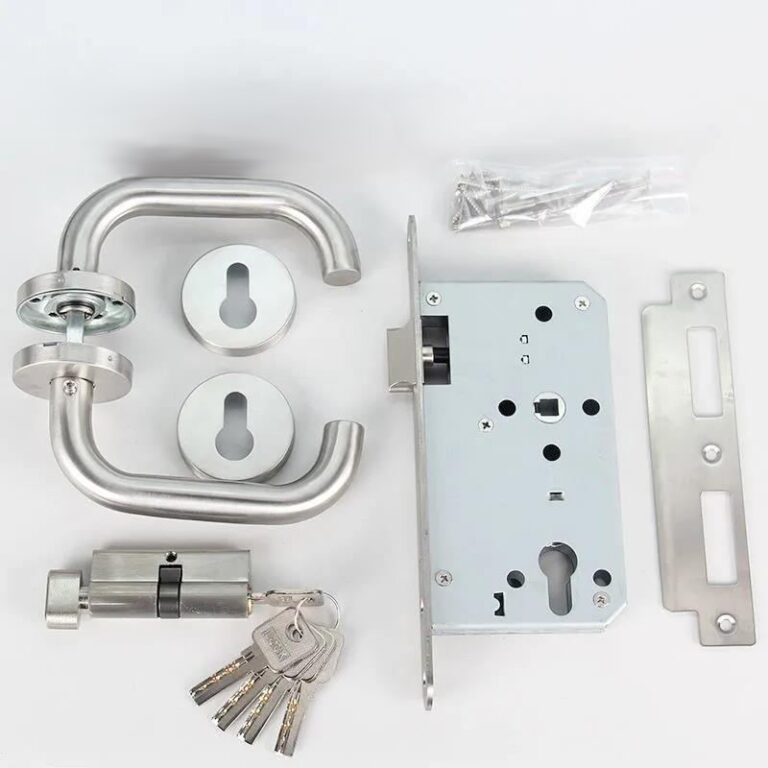
A multipoint door handle is not attractive jewelry. It is the customer’s lever into the transmission.
Check PZ measurement, spindle dimension, screw facilities, backplate size, springtime cassette condition, lever return, and spindle engagement depth. A wrong deal with can operate “well sufficient” during installation and still overload the gearbox over time.
Foshan Chier’s guide on picking door handles for multi-point lock systems makes the correct argument: begin with the lock, not the manage style. I concur. Style-first sourcing is just how guarantee divisions get punished.
Action 6: Change the Gearbox Just After Fitment Is Proven
Replace the multipoint lock gearbox if the open-door examination shows interior failing: slipping fan, inconsistent traveling, busted springtime return, damaged equipment teeth, loose situation rivets, or deadbolt failure independent of the frame.
When replacing, suit:
Backset, typically 25 mm, 28 mm, 30 mm, 35 mm, 45 mm, or 55 mm relying on account
PZ center, commonly 70 mm, 72 mm, 85 mm, 92 mm, or various other system-specific measurements
Faceplate size, such as 16 mm, 20 mm, 22 mm, or 24 mm
Spindle dimension, commonly 7 mm, 8 mm, or market-specific
Locking-point travel and direction
Hook, roller, mushroom camera, latch, and shoot-bolt layout
Cyndrical tube type and web cam behavior
Handing or reversible function
Screw opening positions and situation elevation
If those are unknown, you are not fixing. You are wagering.
When the Lock Works Open however Stops Working Shut
This is the traditional situation. It additionally exposes the novices.
When a multipoint lock collaborates with the door open but stops working when closed, the securing points are typically ramming keepers, dealing with gasket pressure, or responding to door droop. In that problem, replacing the transmission might give the customer a fresh part that experiences the exact same misuse as the old one.
I would examine these in order:
Hinge Droop
If the door has gone down, the leading securing factor might hit the reduced edge of its maintain while the bottom point scratches high or binds under load. Change joints prior to relocating caretakers also much. If the hinges are weak, no lock adjustment will certainly stay dealt with.
Mount Bow
Long uPVC and light weight aluminum structures can relocate under installment stress, warm, tons, or building motion. A bowed framework changes keeper depth. The lock might require extra pull-in force than the manage and gearbox were designed to give.
Gasket Tons
New seals can be as well aggressive. Old seals can swell, flaw, or number at edges. If the door has to be shoulder-pushed before locking, the multipoint system is acting like a clamp rather than a lock.
Caretaker Deepness
Adjustable keeps are not decor. They manage engagement deepness and compression. Establish them also tight and the user battles the manage. Set them as well loose and the door rattles, leakages, or sheds security performance.
Lock Strip Distortion
Overtightened faceplate screws can bend the strip. I see this greater than people confess. The installer thinks tighter is much safer. The system disagrees.
The Substitute Catch: Economical Transmissions, Expensive Comebacks
Below is a debatable point of view: the least expensive replacement transmission is often one of the most pricey component in the job.
Not since the metal always stops working immediately. In some cases it does not. The actual expense is uncertainty: undocumented material, obscure cycle insurance claims, weak spring actions, inadequate tolerance control, irregular latch geometry, harsh follower machining, and no assistance when the locking points decline to integrate.
For door brand names, importers, and job purchasers, this is where an OEM/ODM procedure issues. Foshan Chier’s OEM/ODM program matters due to the fact that synchronization problems are typically birthed before setup: illustrations not inspected, tolerances not reviewed, caretakers not matched, or substitutions allowed without change control.
Negative specs traveling.
If you are purchasing for a line of product rather than repairing one door, request for drawings, samples, cycle-test intent, rust direct exposure presumptions, packaging controls, and alteration discipline. A multipoint lock program without modification control is not a program. It is a box of future problems.
Field List Prior To You Change Anything
Use this prior to authorizing a multipoint door lock repair:
Check
Pass Condition
Red Flag
Door-open procedure
Smooth full traveling
Binding while open
Door-closed procedure
Same feeling as open, mild added compression only
Handle demands lifting pressure, pressing, or drawing
Facility lock positioning
Latch gets in strike normally
Lock trips high, low, or deep
Top and lower factors
Go into keepers without scraping
One point hits before the various other
Deal with compatibility
Right PZ, spindle, screw facilities, return
Loosened pin, incorrect PZ, weak return
Transmission condition
No sliding, grinding, or dead traveling
Handle motion does not match lock-point activity
Keeper screws
Limited, supported, flexible
Stripped screws or extra-large openings
Gasket pressure
Even compression
Door jumps or requires shoulder force
Documentation
Attracting or part match validated
“Looks comparable” substitute
User series
Clear procedure
Individual has to learn a trick to lock it
I such as dull locks. Boring means the door closes, the take care of moves, the locking points seat, the essential turns, and nobody needs to explain an unique routine to the following individual who uses it.
For Makers: Design Synchronization Into the System
If you make doors or resource hardware at scale, you need to not be resolving synchronization via field adjustment alone. You should create resistance mercy into the system.
That implies:
Transmission traveling matched to actual caretaker windows
Hook and roller geometry checked under side tons
Adjustable keepers with adequate range for setup drift
Deals with matched to torque demand
Hinges picked for door weight and cycle target
Gaskets evaluated with hardware, not after hardware approval
Clear solution components plan
No silent alternatives of transmission, spring, finish, or keeper design
Pilot-run evaluation prior to mass shipment
This is also where a manufacturing facility procedure matters. Foshan Chier’s factory trip is a valuable inner link since synchronization is not only a style inquiry. It is a repeatability inquiry: incoming materials, machining uniformity, setting up checks, and batch traceability.
A lock that works as soon as in an example area implies very little. A lock that functions after 100,000 cycles, delivering resonance, humidity, installer variant, and individual misuse indicates something.
Frequently asked questions
What does it imply when a multipoint lock gearbox and securing factors are not integrated?
A multipoint lock gearbox and securing factors are not integrated when the transmission motion no longer drives every hook, roller, screw, latch, or fire bolt into its correct keeper setting at the exact same time, triggering partial interaction, deal with stiffness, crucial resistance, scratching, or complete lock failure when the door is shut. This usually indicates alignment, traveling, compression, or part-compatibility issues.
The first diagnostic step is to operate the lock with the door open. If all securing points relocate efficiently while open but stop working when shut, the structure, caretakers, hinges, or gasket stress are most likely to blame than the transmission alone.
Why is my multipoint lock not engaging when the door is shut?
A multipoint lock is not engaging when shut since several locking points are hitting misaligned caretakers, fighting excessive gasket pressure, responding to hinge droop, or being driven by a gearbox or take care of that does not match the lock strip’s needed traveling and geometry. The lock might seem damaged, however the door position is commonly the genuine mistake.
Evaluate the lock open first. If it functions open, examine caretaker placement, disclose gaps, hinge adjustment, and compression prior to purchasing a new multipoint door lock transmission.
Exactly how do I integrate gearbox and locking factors positioning?
You integrate gearbox and locking factors alignment by verifying smooth open-door procedure, marking the locking-point settings, contrasting them with caretaker facilities, remedying hinge droop, adjusting the facility lock initially, then aligning leading, bottom, and roller points in little actions until full involvement happens without force. The procedure is mechanical, not guesswork.
Do not start by submitting keepers boldy. And do not require the take care of via resistance. That can damage the transmission follower or flex the drive rail.
Should I replace the multipoint door lock gearbox or readjust the keepers?
You must replace the multipoint door lock gearbox only when it fails during open-door procedure, slides inside, grinds, loses spring return, or can not drive the lock strip continually; if it functions open however falls short shut, readjust joints, caretakers, compression, and alignment first. Substitute without medical diagnosis typically repeats the same failure.
A transmission is guilty when it can stagnate the system freely outside the frame. The framework is guilty when the device functions till the door shuts.
Can a uPVC door lock device stop working since the door dropped?
A uPVC door lock mechanism can fail because the door drops, since joint droop changes the upright connection in between securing factors and keepers, creating hooks, rollers, or shoot bolts to strike the wrong part of the structure as opposed to going into cleanly. This develops handle tightness and partial securing even when the gearbox itself still works.
Door drop is common on greatly made use of outside doors, large glazed pieces, and doors with weak joint adjustment. Correct the door setting prior to condemning the lockcase.
Your Following Steps: Stop Speculating and Identify the Full Locking Edge
Do not buy a multipoint lock gearbox due to the fact that the old one “looks worn out.” Do not file every caretaker until the door type of locks. And do not allow anyone tell you that rigid procedure is normal on an excellent multipoint system.
Here is what I would do next.
Evaluate the lock with the door open. Mark every locking point. Examine keeper positioning. Action PZ, backset, faceplate width, spindle size, lock travel, and manage geometry. Evaluate joints and gasket pressure. Just then make a decision whether you require change, a substitute transmission, a brand-new handle set, caretaker correction, or a full lock-strip review.
If you are sourcing for an OEM door program, send out the profile illustration, lock strip format, gasket data, manage specification, expected cycle target, rust exposure, market needs, and packaging needs before accepting manufacturing. Make use of the multi-point lock systems, lock boxes and transmissions, and OEM/ODM pages as the all-natural next step for a proper technical discussion.
The goal is not to make the door lock once.
The goal is to make it secure easily, launch safely, seal uniformly, survive repeated use, and stop developing callbacks.