Looking for hardware solutions that meet European / American standards?
Use this guided inquiry modal to move from a generic quote form to a clearer technical conversation. Buyers can choose whether they need pricing, CAD / 3D files, or OEM / ODM support before sharing contact details.
Compatibility-first design across door / window systems
Repeatable production with clear inspection checkpoints
Documentation and change control for long-running programs
Responsive engineering support for fit and field feedback
Pretty handles fail. I have watched teams obsess over matte black finishes, low-profile escutcheons, and “premium” styling language, then ignore the part that the user actually feels every single morning: grip shape, opening force, wrist angle, lock-state feedback, and whether the sash fights back when somebody opens it half-awake with one hand. Why are we still calling that design discipline?
Comfort starts with force, not finish
Force exposes lies. The smartest benchmark in the room is still the U.S. Access Board’s operable-parts guidance: one-hand operation, no tight grasping, no pinching, no wrist twisting, and no more than 5 lbf to operate, which is exactly the kind of standard I’d steal even when a project is not strictly designed around ADA enforcement, because daily comfort is mechanical honesty, not showroom theater. If your window handle asks the hand to perform a little stunt, it is not elegant. It is badly tuned.
Aging changes everything. The OECD reported in 2025 that accessible home modifications are in place in less than 20% of homes in the United States and Europe, the National Institute on Aging still has to tell households to replace handles with ones that are comfortable to use, and a 2025 UK government research report said door and window handle profiles deserve more scrutiny because current guidance may not be enough. Does that sound like a product category that has solved comfort?
Safety changes the brief. The CPSC said in April 2026 that an estimated 5,600 children age 12 and under were treated in U.S. emergency departments in 2024 after falling from windows, about one in three of those cases required hospitalization, and the agency is aware of at least 25 deaths between 2021 and 2023; meanwhile, NYC Health still states that window guards are required in buildings with at least three apartments when a child 10 or younger lives in the apartment. If your hardware makes safe ventilation awkward, adults will bypass it. If it makes lock status vague, they will misread it. How many warnings does this industry need?
The hard truth is ugly. In this business, “comfort” gets dismissed as soft language right up until the first callback, the first complaint from an older resident, the first stuck sash in humid weather, or the first child-safety conversation that turns into a legal one; then everybody suddenly wants force data, escape logic, restrictors, and test documents they should have asked for at concept stage. Why wait until the damage is expensive?
The comfort spec I would actually approve
Three bad habits. Teams overshrink the handle to look expensive, overload compression to fake a feeling of security, and bolt child-safety logic on at the end as if a restrictor were a decorative accessory rather than part of the operating sequence. Why are we still rewarding hardware that photographs better than it works?
Design variable
Lazy spec
Comfort-first spec
Daily result
Handle profile
Tiny decorative grip or pinch-heavy thumb action
Lever or fork geometry with real hand purchase and obvious orientation
Easier one-hand use, less wrist strain
Operating force
Force checked only after samples arrive
Hinge drag, gasket compression, keeper alignment, and closing torque tuned early against a 5 lbf mindset
Less binding, fewer complaints
Lock-state feedback
Silent, vague locked/unlocked feel
Positive tactile detent plus visible handle position
Fewer half-locked windows
Opening-type match
One logic forced onto every sash
Hardware matched to casement, awning, sliding, or tilt-turn motion
Better usability, less operator error
Restrictor logic
Added late to satisfy safety comments
Designed into ventilation behavior from day one
Safer daily use without awkward workarounds
Finish/material
Chosen under showroom lighting
Chosen for chloride exposure, UV, cleaning chemistry, and wear; think anodized aluminum, quality powder coat, PVD, or 316 stainless where exposure is real
Less corrosion, smoother life-cycle performance
Comfort is system math. That is why I’d pair the design discussion above with fschier’s window hardware compliance guide and the deeper key design factors in multi-point window locking systems, because the user does not experience the handle, the hinge, the lock, and the gasket as separate departments; they experience one motion, one feeling, one verdict.
Casement and tilt-and-turn hardware do not want the same answer
Same label, different physics. A casement window usually betrays bad design through closing effort, hinge resistance, espagnolette geometry, and the feel of the last few degrees of handle travel, while a tilt-and-turn setup betrays bad design through state confusion, because the user has to know—instantly—whether the sash is locked, tilted for ventilation, or ready to swing before anything expensive, embarrassing, or dangerous happens. Why do so many specifications still pretend those are basically the same problem?
For casement window hardware, I care about lever length, keeper alignment, compression balance, and whether the handle still feels honest after cycle wear. For tilt and turn window hardware, I care more about state clarity, safe restricted ventilation, recoverability after an interrupted motion, and whether the opening sequence stays obvious under stress. My rule is simple: the more complex the opening logic, the more obvious the handle must become.
Air-tightness gets abused. Even fschier’s own piece on using multi-point locks to hit energy and air-tightness targets makes the point too many sellers avoid: lock hardware can create compression, but it cannot rescue warped components, bad shimming, seal damage, or poor threshold detailing, which is exactly why I do not accept “easy operation” claims from a bench sample when the full assembly behaves like a fight. Isn’t that the real reason so many “smooth” samples become stubborn windows on site?
The part nobody wants to admit
Marketing hides damage. The industry loves the phrase “modern hardware,” but what users remember is whether the handle bit into their hand, whether the lock felt vague, whether the opening path made sense, and whether the window could be left open safely for ventilation without turning the room into a risk zone. Why are we still letting render-friendly minimalism outrank daily trust?
I am opinionated here. If a handle looks expensive but needs a pinch grip, if a lock sounds secure but hides state feedback, or if a restrictor makes normal ventilation so annoying that people defeat it, then the hardware is not sophisticated—it is negligent in a well-dressed way. That is why I keep sending people toward fschier’s window hardware compliance article, modern window handle guide, and Download Center: the nice thing about drawings, manuals, CAD files, certificates, and cut-out dimensions is that they force adults to stop lying to themselves.
FAQs
What is window hardware design?
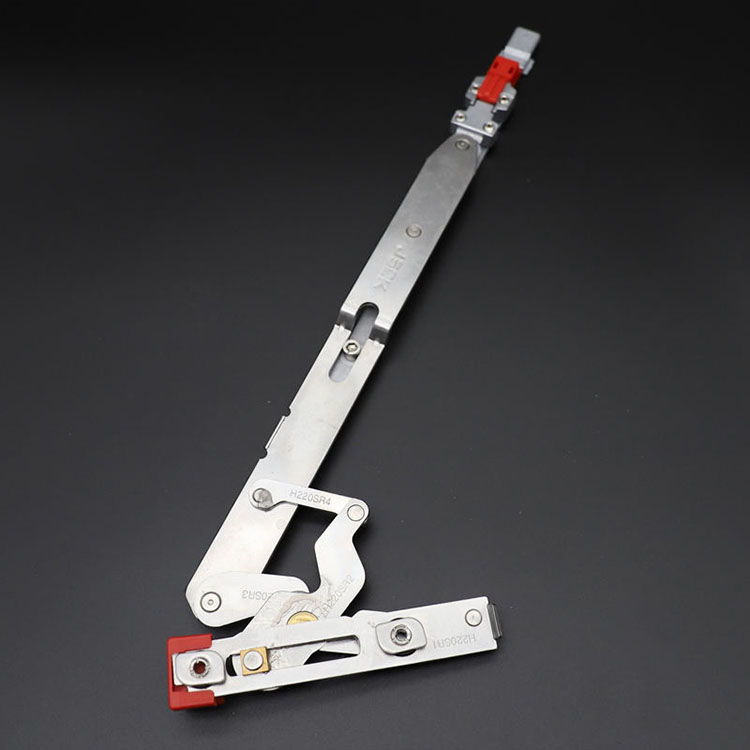
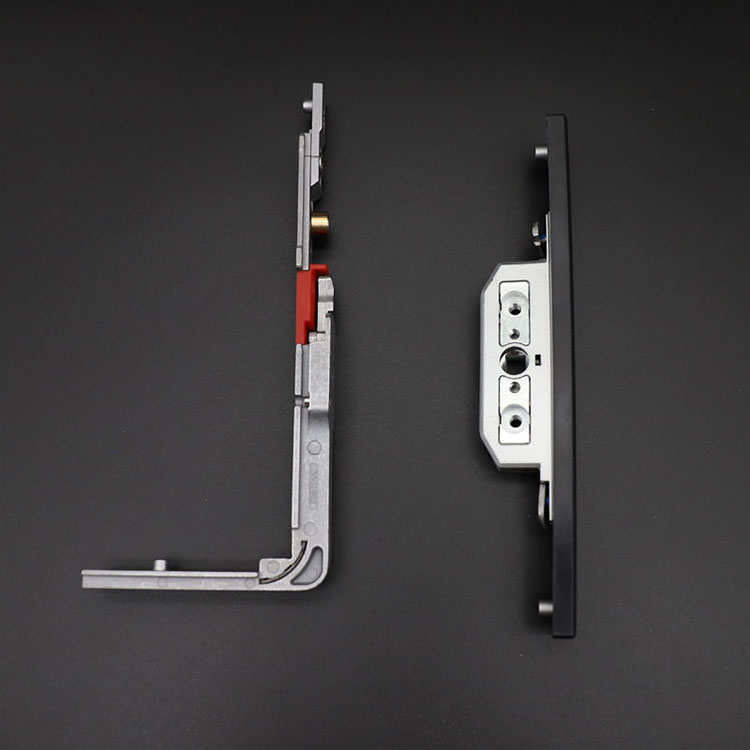
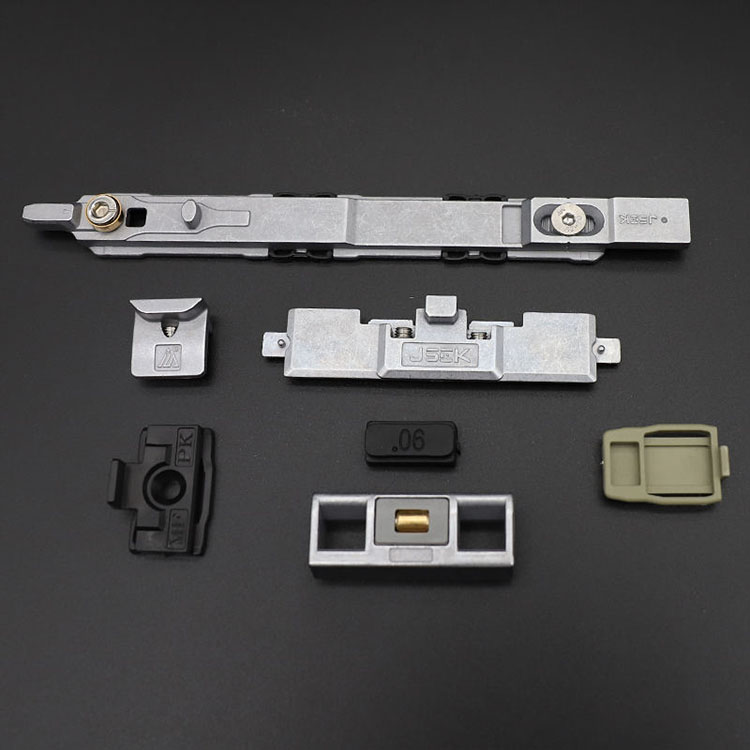
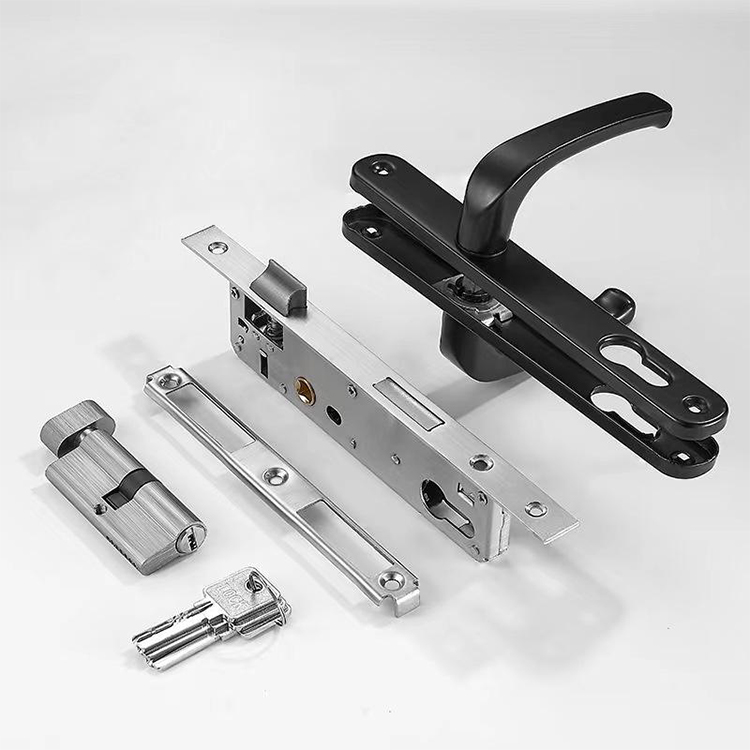
Window hardware design is the engineering of handles, locks, hinges, restrictors, gearboxes, and opening geometry so a window can be opened, closed, ventilated, and secured with predictable force, clear feedback, and low failure risk across the real users, sash weights, climates, and safety rules the product will face. In plain English, it is not about how the handle looks on a sample board; it is about how the whole opening behaves on a normal Tuesday.
What is the best window hardware for easy operation?
The best window hardware for easy operation is a matched system whose handle works one-handed, whose locking sequence is obvious by touch and sight, and whose hinges, gaskets, and keepers are tuned so the sash moves with low force instead of fighting the user at the frame. I would rather spec a slightly less fashionable handle that stays below the pain threshold than a beautiful one that trains people to hate the window.
How do I choose between casement and tilt-and-turn hardware?
The right choice between casement and tilt-and-turn hardware depends on the opening motion, ventilation strategy, reach conditions, escape requirements, and the amount of state clarity the user needs, because the more complex the operating sequence, the more explicit the handle feedback and restrictor logic must become. Casement systems punish poor compression tuning; tilt-and-turn systems punish ambiguous handle logic.
Do window restrictors reduce comfort?
Window restrictors reduce comfort only when they are added late and force users into awkward workarounds; when they are designed into the opening logic from day one, they preserve safe ventilation, improve child protection, and make the preferred opening position easier to repeat without guesswork. That trade-off matters more, not less, when you look at current child-fall data and live housing rules.