Looking for hardware solutions that meet European / American standards?
Use this guided inquiry modal to move from a generic quote form to a clearer technical conversation. Buyers can choose whether they need pricing, CAD / 3D files, or OEM / ODM support before sharing contact details.
Compatibility-first design across door / window systems
Repeatable production with clear inspection checkpoints
Documentation and change control for long-running programs
Responsive engineering support for fit and field feedback
The Ugly Truth: A Keyed Lock Is Not Automatically a Safer Window
Locks lie.
A keyed window lock can look like a serious security upgrade on a sample board, but once it lands in a rental unit, school corridor, old timber sash, sliding aluminum frame, or bedroom escape opening, the real question is not “does it lock?” but “does it control the right risk without creating a worse one?”
So where do keyed window locks actually belong?
I’ll say the hard part first: keyed window locks are best for controlled-access windows, exposed ground-floor openings, sliding windows, child-risk zones, commercial projects, and retrofit applications where ordinary latches fail because people ignore them, defeat them, or forget them. They are not a magic answer for every bedroom, egress opening, or poorly aligned sash.
That distinction matters.
The U.S. Consumer Product Safety Commission has long warned that window screens should not be treated as fall protection, and its window guard guidance says window stops can limit openings to 4 inches while guards in lower floors should remain openable for emergency escape. Read that again: safety hardware still has to respect escape. The CPSC window guard safety release is old, but the principle has not aged.
And the risk is not theoretical. UC Davis Health reported in 2024 that around eight children age 5 or under die each year in the United States from window falls, while about 3,300 more are injured. Their advice is painfully plain: lock windows, install stops, move furniture, and stop trusting screens. See the UC Davis Health window fall warning.
For B2B buyers, fabricators, and hardware brands, that means one thing: do not specify keyed window locks because they look stronger. Specify them because the application demands key control.
The Application Matrix: Where Keyed Window Locks Actually Make Sense
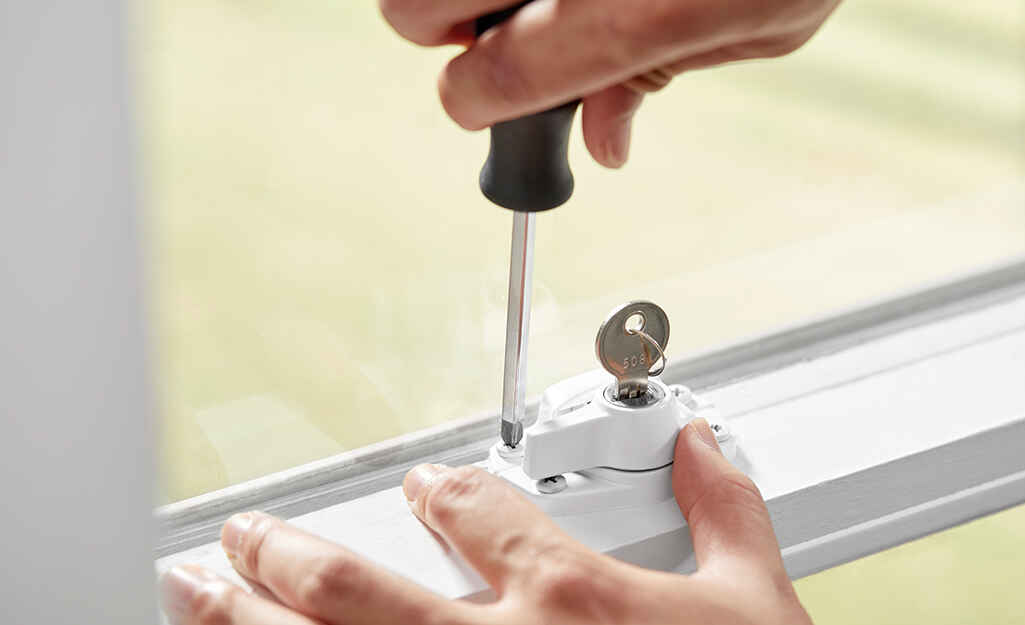
A keyed window lock earns its keep when the user, location, and opening type justify restricted operation. In plain language, the lock is there to stop casual opening, unauthorized use, or opportunistic entry; it is not there to compensate for weak screws, warped sash rails, bad keepers, sloppy installation, or a window that should have been redesigned instead.
Here is the field-level matrix I would use before approving keyed window locks for a project.
Matched keyed sash locks or keyed replacement latches
Geometry matters more than finish
Hotels and serviced apartments
Limits guest misuse while allowing managed operation
Keyed or restricted-opening hardware
Overlocking can create liability
The table is where many buyers get exposed. They assume “keyed” means “higher security.” It does not. It means controlled operation.
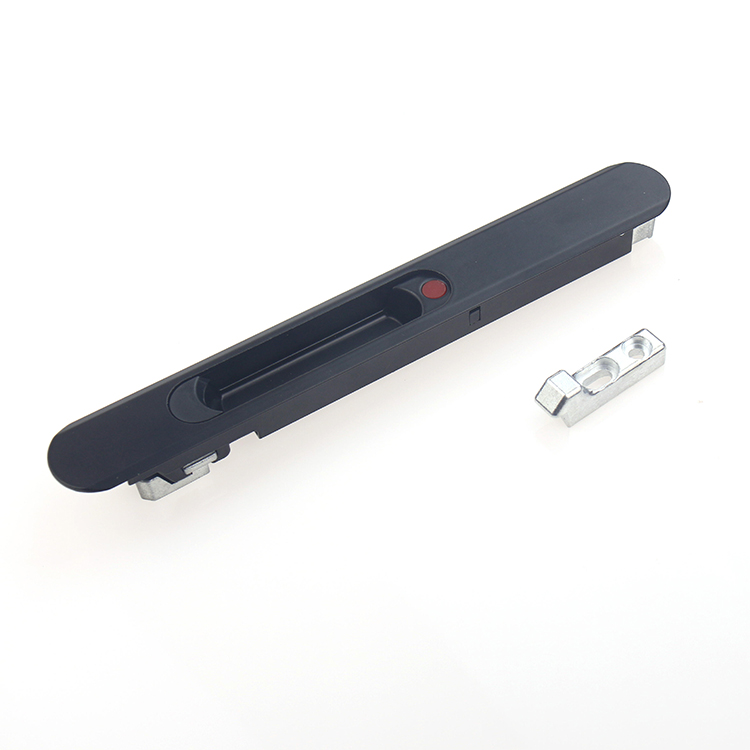
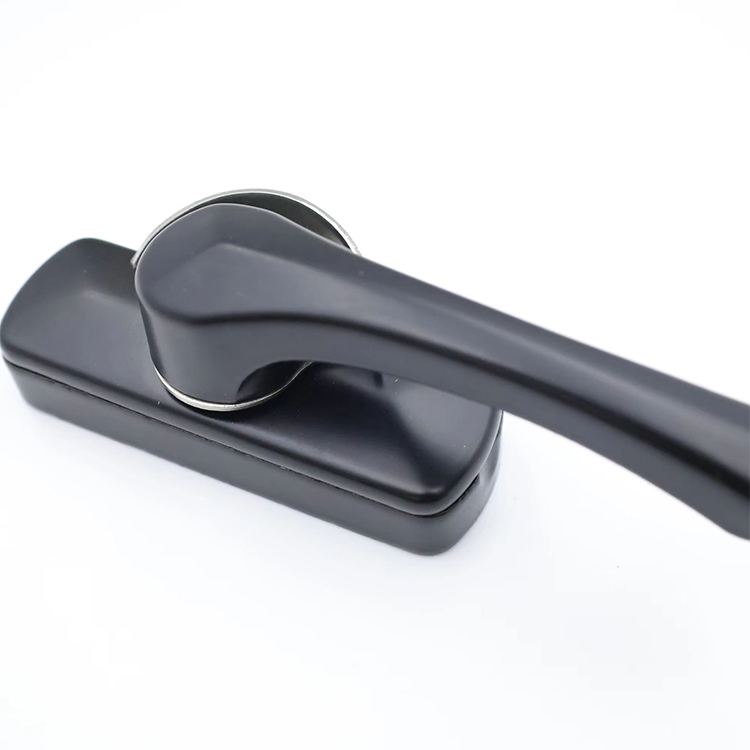
If you are specifying hardware for sliding aluminum windows, start with the actual product geometry. A keyed crescent design like the OEM keyed aluminum crescent window latch lock handle fits applications where the window needs a visible locking signal, daily usability, and B2B customization options such as finish, packaging, and private-label supply.
But if you are working with old frames, I would slow down before ordering anything. Chier’s guide on matching window locks for older windows gets the uncomfortable part right: screw centers, keeper height, sash alignment, cam throw, hinge sag, and worn substrates decide whether the lock works. Not the catalog photo.
Table of Contents
Ground Floors, Side Windows, and the Burglary Myth Nobody Likes to Discuss
Burglars are lazy.
That sounds crude, but most physical security failures are not Ocean’s Eleven jobs; they are ordinary failures of closure, habit, visibility, and resistance, and keyed window locks are useful when they make the easy path less easy without pretending to turn a weak residential opening into a bank vault.
The Bureau of Justice Statistics found that for burglaries in occupied households, offenders were almost equally likely to enter through an open door or window as through an unlocked one. In unoccupied residences, 40% of unlawful entries came through an unlocked door or window. That is not marketing. That is human behavior. The BJS burglary victimization report is blunt enough for anyone who specifies window security locks for a living.
So, which residential applications need keyed window locks?
Ground-Floor Bedrooms and Living Rooms
Ground-floor windows are the obvious candidates. They are reachable, inspectable, and often hidden by landscaping, fences, parked vehicles, or side yards.
But I would not key every ground-floor window automatically. I would prioritize windows with three traits: reachable from grade, hidden from street view, and used inconsistently by occupants. A keyed sash lock in a ground-floor guest room may make more sense than one in a kitchen window opened ten times a day.
Basement and Semi-Basement Windows
Basement windows are bad little risk machines. They sit low, they are often ignored, and they may be paired with weak frames, corroded fasteners, or old sliding panels that can be lifted out of track.
Use keyed window locks here when the window is not a required emergency escape opening, or when the hardware system has been reviewed for local egress rules. A lock that stops a thief but also traps a person is not security. It is bad design wearing a brave face.
Side-Yard and Rear-Facing Windows
The front window gets attention. The rear utility window gets excuses.
That is why keyed window locks often make sense on side-yard laundry rooms, rear offices, garage-adjacent windows, and narrow service passages. The goal is not theatrical force resistance. The goal is to remove the casual opening.
Child Safety Applications: Where Keyed Window Locks Help—and Where They Do Not
Children climb.
A lock can reduce the chance that a child opens a window unsupervised, but it cannot replace window stops, properly selected guards, furniture placement, adult supervision, or an emergency plan that still lets responsible adults open the window when needed.
This is where the industry sells too neatly. “Child safety window locks” sounds comforting. Sometimes it is. Sometimes it is just a keyed latch installed into a system that still opens too far, sits beside a bunk bed, or relies on a screen that was never designed to hold body weight.
The safer question is: what opening distance are we controlling?
CPSC guidance says window stops can prevent windows from opening more than 4 inches, and it warns never to depend on screens to prevent falls. UC Davis Health gives similar advice: install stops, move furniture, open double-hung windows from the top when possible, and do not leave young children unsupervised near open windows.
So yes, keyed window locks belong in child-risk rooms. But they are usually part of a package.
Use them in:
Children’s Bedrooms
A keyed window lock can stop unsupervised opening, especially on lower sashes or sliding panels. But for bedrooms, egress review comes first. If the window is the emergency escape route, the release method cannot be an afterthought.
Daycare and School Rooms
Keyed window locks make sense where staff must control when windows open. Schools and daycare facilities often need discipline around ventilation, student access, and tamper resistance. Still, I would avoid overcomplicated hardware. Staff turnover is real. Substitute teachers are real. Panic is real.
Hotels and Serviced Apartments
Here, the use case is not just child safety. It is guest behavior. Hotels often need controlled ventilation, reduced fall risk, and fewer service calls caused by guests forcing sash movement. Keyed or restricted-opening hardware can help, but it must be simple enough for trained staff to manage.
If you are comparing integrated systems versus separate lock-and-handle hardware, Chier’s article on integrated window lock and handle designs is worth reading before final approval. Integrated hardware can feel cleaner, but one failure can disable more than one function.
Commercial, Rental, and Institutional Buildings Need Key Control More Than “More Metal”
Here is my unpopular opinion: most commercial window security problems are management problems disguised as hardware problems.
Who has access? Who resets the locks after maintenance? Who checks the windows after cleaning? Who owns the key schedule? Who confirms the sash is actually locked after installation?
That is where keyed window locks become useful. They create a controlled action. They also create responsibility.
Rental Housing and Student Accommodation
Rental applications often need lockable window locks because users change, habits vary, and property managers inherit the mess. A keyed lock gives management a way to control vacant units, reduce tampering, and standardize hardware across repeat openings.
But the key system must be managed. Loose keys in a maintenance drawer are not a security policy.
Offices and Retail Back Rooms
Accessible office windows, stockroom windows, and rear-facing retail windows are good candidates for keyed locks, especially where after-hours access is a concern. BJS data shows unlocked or open doors and windows matter. A keyed lock will not replace alarms, lighting, or door security, but it can reduce one dumb failure: the window that was never really secured.
Healthcare, Assisted Living, and Supervised Housing
These are not normal residential applications. They involve vulnerable users, staff procedures, and sometimes competing needs: fresh air, fall prevention, escape, patient behavior, and duty of care.
I would never approve a keyed window lock here without a written operating protocol. Who holds the key? When may it be used? What happens during fire alarm response? What does local code say? That is boring paperwork until it becomes the only thing that matters.
For buyers working across different opening types, the broader door and window hardware products page is a useful starting point because keyed window locks often interact with handles, hinges, lockcases, gearboxes, and accessories. No serious specification should isolate one part from the system.
The Egress Problem: When Keyed Window Locks Become the Wrong Answer
This is the section some salespeople would rather skip.
A keyed window lock can be the wrong product when the window is supposed to be an emergency escape and rescue opening. Chier’s own compliance discussion on window hardware compliance, egress codes, and PAS 24 standards makes the correct systems-level point: security and escape are not the same job.
The mistake is easy. A buyer says, “We need better security.” A supplier offers a keyed lock. The project team installs it on a bedroom escape window. Now the window may resist unwanted entry, but it may also require a key when someone needs to get out.
That is not a minor detail.
In egress-sensitive locations, the lock must be reviewed against local building code, fire code, emergency escape requirements, and the actual operating sequence. Not the brochure. The sequence.
Ask these questions before specifying keyed window locks:
Is This Window Used for Emergency Escape?
If yes, slow down. Do not rely on generic product claims. Confirm whether a key, tool, special knowledge, or excess force would be required from the inside.
Can a Responsible Adult Open It Quickly?
For child safety hardware, there is often a balance: difficult for a young child, manageable for an adult. That balance collapses if the key is missing.
Does the Lock Work After the Window Ages?
A keyed sash lock that works beautifully in a lab can become stiff after paint buildup, corrosion, keeper movement, gasket compression, or frame distortion. This is where salt-spray hours, zinc alloy grade, stainless fasteners, nylon bushings, and screw pull-out resistance are not geeky details. They are service-life details.
Is the Key System Controlled?
If the answer is “the installer keeps a few,” I get nervous. Keyed hardware creates an access-control obligation. For commercial and rental projects, key schedules should be documented just like finish, handedness, screw centers, and packaging.
What I Would Specify by Window Type
The best keyed window locks are not the strongest-looking ones. They are the ones matched to sash movement, frame material, user risk, corrosion exposure, fixing strength, and inspection routines.
Sash Windows
Use keyed sash locks when the meeting rail alignment is stable and the keeper engagement is clean. If the rails do not meet properly, fix the window first. A lock should not be asked to drag two tired sashes into position.
Sliding Windows
Sliding window locks with keys make sense when panels are easy to access, easy to forget, or easy to manipulate. But remember the second failure mode: lift-out. If the panel can be lifted off track, a keyed latch is only part of the answer.
Casement Windows
Casement windows usually require more care because the lock may interact with a handle, gearbox, friction stay, compression seal, or multi-point system. If you are specifying for premium systems, review the multi-point lock systems engineering mindset even when the window itself uses simpler hardware. The habit is the same: treat hardware as an assembly, not decoration.
Older Timber or Aluminum Windows
Old windows punish lazy buyers. Measure screw centers in millimeters. Check keeper height. Check whether the substrate can hold screws. Check corrosion. Check paint thickness. Then choose the lock.
A cheap keyed replacement lock installed into rotten timber is not an upgrade. It is theater.
My Buyer’s Checklist Before Approving Keyed Window Locks
I would not approve a keyed window lock specification until these items are answered in writing.
Fully locked, restricted opening, or ventilation gap
Child safety often needs distance control
Frame material
Timber, aluminum, PVC, composite
Screw strength and corrosion behavior vary
Keeper alignment
Contact, throw, height, compression
Misalignment destroys security and feel
Key control
Master key, individual key, restricted keyway
Poor key discipline ruins the purpose
Finish and exposure
Powder coat, anodized, stainless, coastal grade
Corrosion becomes warranty noise
Documentation
Drawing, test data, installation guide, packaging
B2B projects need repeatability
Service plan
Replacement access and maintenance routine
Locks fail in real buildings, not spreadsheets
If you are buying for OEM, distributor, or project supply, use the Chier download library to request or review drawings, catalogs, certifications, and manuals before sampling. I do not trust verbal lock specifications. Neither should you.
FAQs
What are keyed window locks?
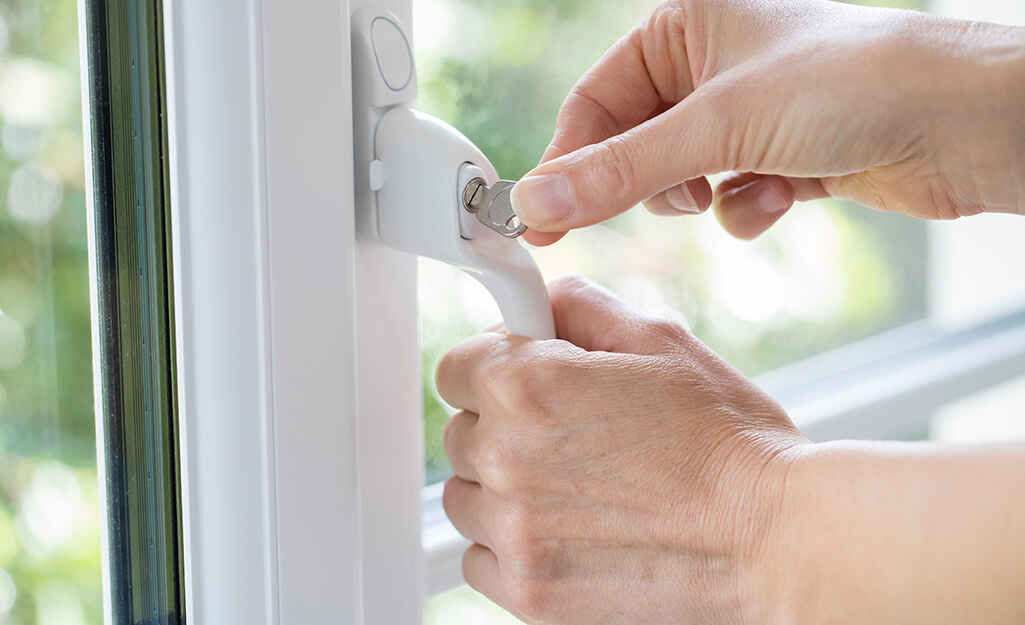
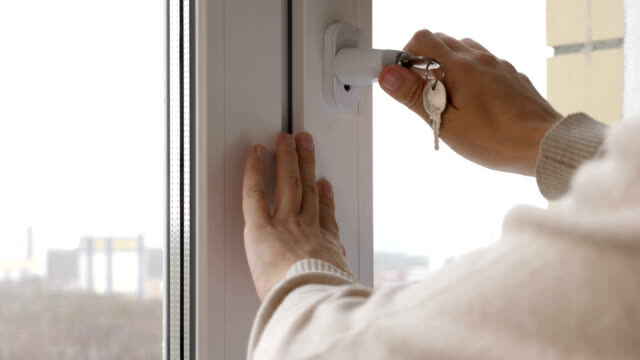
Keyed window locks are lockable window hardware components that require a key to release or operate the locking function, usually to prevent unauthorized opening, improve access control, or support child-safety and security goals on sash, sliding, casement, or specialty window systems. They are most useful when control matters more than convenience.
In practice, they include keyed sash locks, keyed crescent locks, sliding window locks with keys, lockable window handles, and some integrated lock-handle assemblies. The best choice depends on the window type, frame material, egress status, and user risk.
Which applications need keyed window locks most?
The applications that most often need keyed window locks are accessible ground-floor windows, sliding windows, rental properties, child-risk rooms, schools, hotels, commercial offices, healthcare facilities, and older windows where ordinary latches no longer provide reliable control. These settings benefit from restricted operation and better access discipline.
But do not key everything. Bedrooms, basement escape openings, and any window used for emergency rescue need careful code review before keyed hardware is approved.
Are keyed window locks good for child safety?
Keyed window locks can support child safety by preventing young children from opening windows without adult control, especially when combined with window stops, guards, restrictors, furniture placement, and supervision. They should not be treated as the only fall-prevention measure or as a substitute for limiting the opening distance.
The safest child-focused setup usually controls how far the window opens. A keyed lock helps keep the window closed; a stop or restrictor controls ventilation distance.
Are keyed window locks better than standard window latches?
Keyed window locks are better than standard window latches when the application needs controlled access, tamper resistance, or disciplined operation, but they are not automatically stronger if the frame, sash, screws, keeper, or installation quality is weak. Keying adds control; it does not repair bad geometry.
For a low-risk upstairs room, a standard latch may be enough. For a ground-floor rental window, a keyed sash lock may be the smarter choice.
Can keyed window locks be used on emergency escape windows?
Keyed window locks should only be used on emergency escape windows when local code and the final operating sequence allow safe release from the inside during an emergency. Any window that requires a missing key, tool, special knowledge, or awkward release step can become dangerous in a fire.
This is why egress review must happen before hardware approval. Security sells, but escape saves lives.
What are the best keyed window locks for sliding windows?
The best keyed window locks for sliding windows are locks that match the sliding panel profile, track design, keeper position, screw substrate, lift-out risk, user behavior, and exposure conditions. Keyed crescent locks and sliding window locks with keys are common options, but the right choice depends on the full window assembly.
For sliding windows, I would also check whether the sash can be lifted out of the track. If it can, the lock is only one layer.
Final Thoughts: Specify the Risk, Then Choose the Lock
Do not start with “best keyed window locks.”
Start with the application.
If the window is reachable, misused, child-accessible, tenant-operated, commercially exposed, or part of a managed building, keyed window locks may be the right call. If the window is an emergency escape opening, badly aligned, structurally weak, or used constantly for ventilation, a keyed lock may be the wrong shortcut.
My recommendation is simple: map every window by use case before selecting hardware. Mark ground-floor exposure, child-risk rooms, egress windows, sliding systems, rental units, and commercial access points. Then match the lock to the actual failure mode.
For OEM buyers, distributors, and project teams, send the window type, frame drawings, screw centers, keeper details, finish requirement, keying plan, and compliance concerns before requesting samples. That is how you avoid buying a lock that looks right and fails in the only place that counts: the installed window.