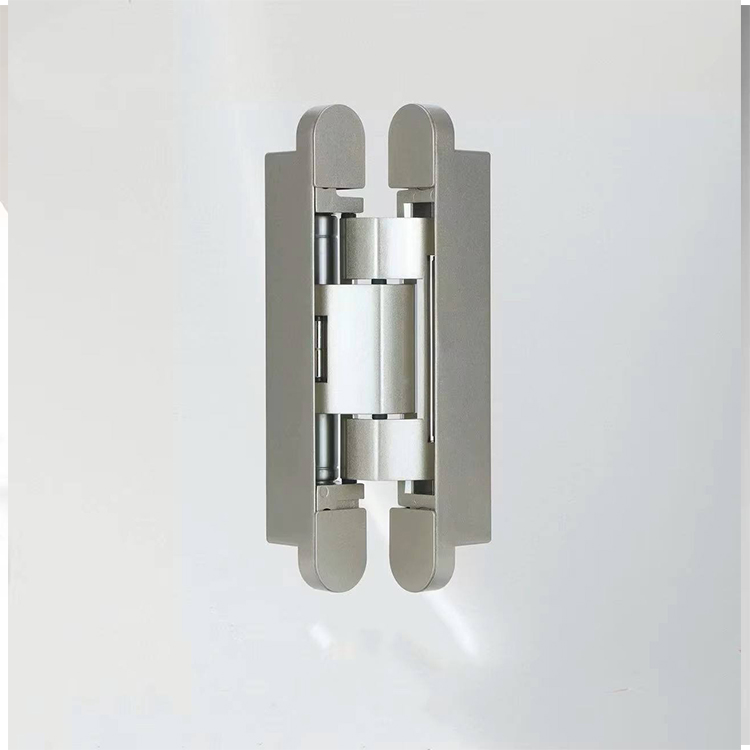
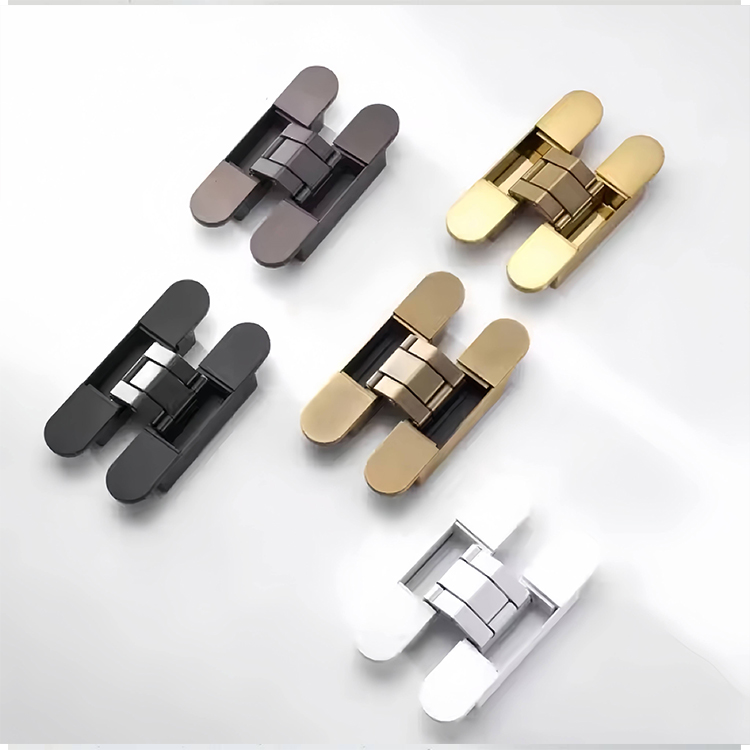
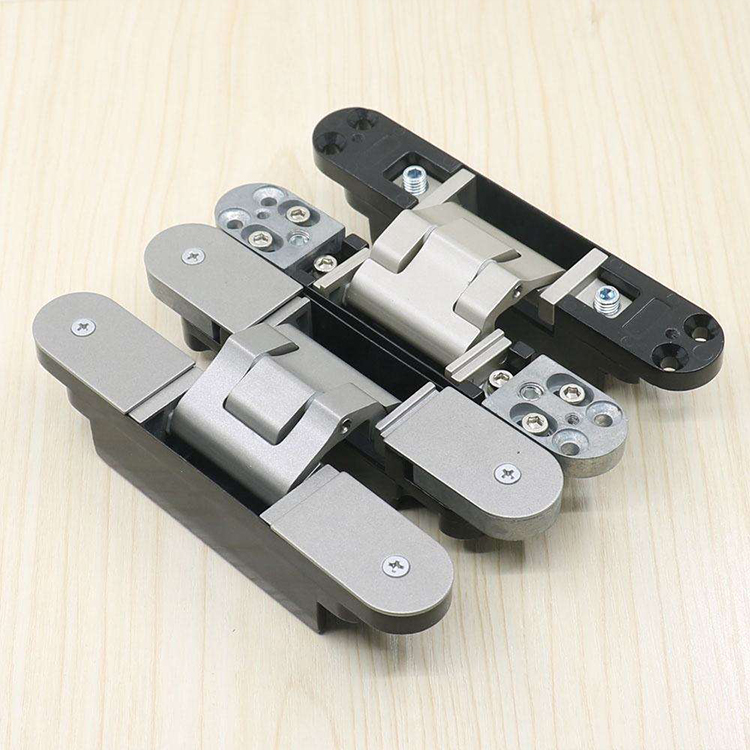
Looking for hardware solutions that meet European / American standards?
Use this guided inquiry modal to move from a generic quote form to a clearer technical conversation. Buyers can choose whether they need pricing, CAD / 3D files, or OEM / ODM support before sharing contact details.
Compatibility-first design across door / window systems
Repeatable production with clear inspection checkpoints
Documentation and change control for long-running programs
Responsive engineering support for fit and field feedback
When a hinge starts speaking through a squeak, chirp, groan, click, or grinding sound, it is reporting a change in friction, alignment, surface condition, fastener retention, or load distribution somewhere inside the opening system.
So why does the industry keep treating squeaky door hinges as nothing more than a can-of-oil problem?
My view is blunt: spraying lubricant onto the outside of a hinge without identifying the contact point is lazy maintenance. It may silence the symptom. It does not necessarily correct the cause.
A door hinge is a loaded rotating joint. Its pin, knuckles, leaves, screws, frame, door slab, seals, closer, and locking hardware work as one system. When one part shifts, the others pay for it.
That payment often begins with noise.
Hinge Noise Is a Mechanical Message
Most hinge squeaks are produced by stick-slip friction. Two surfaces resist movement, release suddenly, then resist again. That repeated cycle creates vibration, and the hinge body, door leaf, and frame amplify it into an audible sound.
The science is not mysterious. The National Institute of Standards and Technology’s explanation of tribology defines the field around interacting surfaces in motion, including friction, adhesion, lubrication, and wear. NIST estimated that friction and wear accounted for approximately $800 billion in U.S. economic losses in 2010 and stated that proper lubricant use could save tens of billions of dollars.
That is not a door-hinge statistic. It is still a useful warning.
Small friction problems scale.
A squeak does not automatically mean that a hinge is about to fail, but recurring noise should not be dismissed when it appears with door sag, increased operating force, metal dust, rust staining, loose screws, uneven gaps, or poor latching.
Professional buyers should therefore evaluate hinges as engineered components rather than decorative accessories. The available door and window hinge solutions should be matched to opening type, frame profile, sash or door weight, exposure conditions, operating angle, fastener arrangement, and expected cycle life.
Smooth on day one means very little.
Table of Contents
Seven Common Causes of Squeaky Door Hinges
1. The Lubricant Film Has Broken Down
The most familiar cause is dry or unstable contact between the hinge pin and knuckle bore. The original lubricant may have migrated, evaporated, washed away, oxidized, or been displaced by repeated movement.
Once the separating film becomes too thin, surface asperities—the microscopic high points on the metal—begin interacting. Friction rises. The hinge starts to squeak.
But there is an important distinction: a hinge can look oily on the outside while remaining dry at the actual bearing surface.
This is why spray-and-pray repairs often fail. The lubricant lands on the leaf, screw heads, paint, and frame. Very little reaches the loaded pin-to-barrel interface.
2. Dust and Grit Have Entered the Knuckle
Lubricant attracts contamination when too much is applied and left unwiped. Construction dust, sand, metal particles, paint residue, corrosion products, and cleaning debris can enter the hinge barrel and form an abrasive paste.
Then the lubricant becomes part of the problem.
This contamination can produce a rougher, lower-pitched sound than ordinary dry friction. Black residue around the knuckle is especially suspicious because it may contain worn metal, degraded lubricant, dirt, or a combination of all three.
Adding more oil without cleaning the joint merely circulates the abrasive material.
3. The Door or Frame Is Out of Alignment
A perfectly lubricated hinge can still make noise when the opening is mechanically distorted.
Loose fasteners, an out-of-square frame, a sagging door, incorrect hinge recess depth, uneven shimming, insufficient screw engagement, or a warped leaf can place excessive load on one hinge knuckle. The pin then rubs harder on one side of the bore.
The resulting sound may be a squeak, groan, creak, or metallic click.
This is one reason I treat recurring noise as an installation question before treating it as a lubricant question. The analysis of hinge installation errors and hardware failure shows how an incorrectly positioned hinge can transfer mechanical debt into the lock, handle, gasket, keeper, and frame.
The hinge does not suffer alone.
4. Screws Are Loose or Moving in the Substrate
A loose hinge leaf can shift microscopically against the door or frame every time the opening moves. That motion may sound like a creak or click rather than a classic high-pitched squeak.
Watch the leaf while someone slowly operates the door. Any visible movement around the screw heads is unacceptable.
Tightening can solve the problem only when the screw still has sound material to grip. A stripped hole, crushed PVC profile, thin unsupported aluminum wall, damaged timber, or incorrect fastener cannot be repaired by applying more torque.
More torque is not engineering.
5. The Hinge Pin or Knuckle Is Worn
Repeated cycles gradually change the geometry of the bearing surfaces. A pin may develop scoring, flat spots, corrosion pits, or diameter loss. Knuckle bores can become oval. Clearance increases.
The door then drops slightly, movement becomes less controlled, and the pin impacts or rubs unevenly inside the barrels.
Material matters here. The guide to how hinge pin material affects service life explains why an unspecified “metal pin” is not a meaningful specification. SUS304 stainless steel, AISI 316 stainless steel, plated carbon steel, brass, phosphor bronze, and precipitation-hardened stainless alloys do not respond identically to load, moisture, chlorides, contamination, or poor lubrication.
I would reject any professional hinge specification that says only “stainless pin.”
Which stainless?
6. Corrosion Has Roughened the Moving Surfaces
Corrosion changes both chemistry and geometry. Rust, pitting, oxide buildup, coating failure, and galvanic attack can turn a smooth pin into an abrasive shaft.
In coastal areas, chloride ions from sodium chloride, NaCl, collect around pin ends, seams, screw heads, scratched coatings, and drainage traps. Repeated wet-dry cycles concentrate those deposits.
The hinge may squeak first. Binding comes later.
SUS304 can perform well in many exterior applications, but direct salt exposure, poolside conditions, aggressive cleaners, and moisture-retaining crevices may justify AISI 316 or another verified corrosion-control system. AISI 316 commonly contains approximately 2%–3% molybdenum, improving resistance to chloride pitting compared with standard 304 grades.
A hinge may be well manufactured and still be wrong for the opening.
Door mass, width, center of gravity, wind load, closer force, gasket compression, opening angle, user abuse, and hinge spacing all influence the load transmitted through each bearing point. An overloaded top hinge often announces the problem before the lower hinges do.
Listen closely.
A heavy door that squeaks only near the fully open position may be experiencing frame movement, closer-arm loading, leaf contact, pin deflection, or localized pressure at a particular hinge angle. A casement window that chirps near closure may be fighting seal compression or lock pull-in rather than suffering from a simple lubrication shortage.
This is why meaningful hinge service-life testing must include real load, frame geometry, opening angle, corrosion exposure, fastener retention, operating force, and post-test alignment.
A cycle number without test conditions is marketing decoration.
What the Sound Is Actually Telling You
Listen first.
Different sounds point toward different failure modes, although no sound should be diagnosed in isolation.
Sound or Symptom
Most Likely Cause
What to Inspect First
Appropriate Response
High-pitched squeak through most of the swing
Dry pin-to-knuckle contact or thin lubricant film
Pin ends, barrel joints, lubricant condition
Clean and apply compatible lubricant to the actual contact surfaces
Squeak at one specific angle
Uneven loading, bent hinge, frame distortion, closer force, or leaf interference
Door gaps, hinge alignment, frame movement, closer geometry
Correct alignment or load before adding more lubricant
Rough grinding sound
Dirt, rust particles, scoring, or severe wear
Removed pin, barrel contamination, metal debris
Clean thoroughly; replace scored or worn components
Repeated click
Loose screws, moving hinge leaf, pin movement, or excessive clearance
Screw heads, pin retention, leaf movement
Restore fastener grip, reseat pin, or replace worn hinge
Deep creak from the frame
Fastener movement, substrate damage, or frame flex
Screw engagement, frame reinforcement, hinge recess
Repair the substrate or fastening arrangement
Scraping at the door edge
Door sag, frame movement, hinge wear, or poor installation
Perimeter gaps, threshold, strike-side contact
Realign the door and inspect hinge wear
Noise returns days after lubrication
Lubricant missed the bearing area or a mechanical defect remains
Pin surface, contamination, corrosion, alignment
Remove and inspect one pin at a time; stop masking the symptom
Rust-colored or black discharge
Corrosion, wear debris, dirty lubricant, or coating loss
Pin, knuckles, lower hinge, water paths
Clean, identify material damage, and replace if pitted or loose
Noise location also matters. Use a mechanic’s stethoscope, cardboard tube, or careful close-range listening while another person moves the door slowly. Do not place fingers near hinge knuckles during operation.
Pinch points are unforgiving.
Two Recalls That Changed How I Read Hinge Problems
Hinge noise and hinge failure are not the same event. But the regulatory record shows why professionals should not dismiss changes in movement, alignment, or hardware behavior.
On April 3, 2025, the U.S. Consumer Product Safety Commission announced the recall of approximately 200,000 Ashland 10-inch and 14-inch two-bar casement window hinge tracks. According to the AmesburyTruth hinge-track recall, the metal sliding arm could disengage and allow the sash to fall.
The affected part numbers were 2003558, 2003559, 2004271, and 2004272. The tracks had been sold to window manufacturers and service-parts providers from April 2024 through January 2025 for about $2 each. Two disengagement incidents had been reported, with no injuries reported at the time of the notice.
Two dollars.
That is the uncomfortable economics of hardware: a low-cost component can control the safety, warranty exposure, service labor, and reputation of a much more expensive assembly.
The second example came on December 21, 2023. The CPSC reported that approximately 12,000 Pella Architect Series casement windows were affected because the sash could detach from the frame and fall. The Pella casement-window recall also covered approximately 305 units sold in Canada and 10 in Mexico.
Neither case proves that a squeaky hinge will become a falling sash.
They prove something more useful: hinge systems deserve disciplined inspection, traceable specifications, and defined failure criteria. Strange movement should not be normalized simply because the component is small.
How to Fix a Squeaky Door Hinge Properly
Confirm That the Hinge Is the Source
Operate the door slowly through its full movement. Test partial openings. Listen near each hinge, the strike, the door closer, the threshold, weather seals, lock points, and the frame.
Many “hinge noises” actually come from:
A latch rubbing against the strike
A door edge contacting the frame
A seal dragging across the threshold
A closer arm joint
A loose handle or lock case
A warped frame
A multi-point lock fighting poor alignment
Do not lubricate the wrong component.
Check Gaps and Fasteners Before Removing Pins
Inspect the perimeter gap around the door. Look for strike-side contact, sag, uneven head clearance, lifted hinge leaves, backing-out screws, cracked frame material, and movement around the fasteners.
Tighten loose screws only to the appropriate torque for the material and fastener. If a screw spins without tightening, the substrate or thread engagement requires repair.
And do not use a longer screw blindly. Confirm that there are no concealed electrical cables, glass edges, reinforcement limits, or profile cavities in its path.
Clean the Joint
Protect nearby paint, flooring, wall finishes, and seals.
Remove loose dirt from around the knuckles. For conventional removable-pin butt hinges, support the door and work on one hinge at a time. Lift or remove the pin according to the hinge design.
Inspect for:
Red rust
Black wear debris
Scoring
Pitting
Flat spots
Bent pins
Damaged coatings
Oval knuckle bores
Excessive clearance
A badly pitted or bent pin should not be polished into false confidence. Replace the damaged component.
Apply the Right Lubricant to the Right Surface
The best lubricant for squeaky hinges depends on hinge design, materials, exposure, temperature, seals, coatings, and manufacturer instructions.
For ordinary metal butt hinges, the common options include:
Light machine oil: Penetrates narrow clearances well but may migrate or require more frequent application.
PTFE lubricant: Can provide a low-friction film with less oily residue, depending on the carrier and formulation.
Silicone lubricant: Useful where compatibility with some plastics or rubber components matters, but product approval should still be checked.
White lithium grease: More persistent on many metal-to-metal joints, although it is messier and may hold dirt when overapplied.
Manufacturer-specified grease or oil: The preferred choice for concealed hinges, bearing hinges, friction stays, continuous hinges, spring hinges, and engineered window hardware.
Apply a controlled amount to the loaded contact area. Move the door through 10–20 slow cycles to distribute it. Wipe away excess.
Oil belongs inside.
Cooking oils are not a professional solution. Vegetable oils can oxidize, become sticky, collect contamination, and create odors. Petroleum jelly may provide temporary lubrication but does not penetrate tight hinge clearances easily. Penetrating water-displacement sprays can help free dirty or rusty parts, but I would not automatically treat them as the final long-term lubricant.
Replace the Hinge When Lubrication Cannot Correct Geometry
Replacement is justified when the hinge shows:
Bent leaves or pins
Severe pitting
Cracked knuckles
Worn bearing surfaces
Excessive radial clearance
Repeated pin movement
Damaged fastener holes
Permanent binding
Door sag that returns after adjustment
Evidence that the hinge is undersized for the load
Do not keep lubricating a geometry problem.
For casement windows, friction stays, concealed systems, continuous hinges, fire doors, powered doors, and spring-loaded hardware, follow the manufacturer’s service procedure. These assemblies may contain controlled friction, preloaded springs, non-removable pins, electrical transfers, or safety-rated components.
Prevention That Survives the Warranty Period
Specify the Opening Before the Hinge
Start with the actual door or sash data:
Width and height
Total mass
Center of gravity
Frame material and wall thickness
Opening angle
Interior, exterior, coastal, poolside, or chemical exposure
Closer or spring force
Expected cycles per day
Required security and fire rating
Fastener and reinforcement details
Cleaning chemicals used on site
A hinge cannot be selected honestly from finish color and unit price.
A SUS304 stainless window friction stay, for example, should be judged by profile compatibility, sash dimensions, load, movement geometry, corrosion conditions, fastener arrangement, friction consistency, and production repeatability—not merely by the words “stainless steel.”
Control Installation Tolerance
The frame must be square. Hinge recesses must be consistent. Leaves must sit flat. Screws must engage the intended reinforcement. Hinge axes must align.
Small errors compound.
When hinge barrels are not coaxial, each opening cycle forces the pin to bend, rub, or climb against the bore. Lubricant may reduce the noise temporarily, but it cannot make misaligned axes concentric.
Use Risk-Based Maintenance Intervals
There is no universal lubrication interval for every hinge. A protected residential bedroom door and an ocean-facing hotel entrance do not live the same life.
According to manufacturer, code, risk, and recorded cycles
Alignment, bearing wear, fasteners, closer force, documented service
Casement-window friction stay
At scheduled building-maintenance inspections
Track cleanliness, arm engagement, rivets, screws, corrosion, sash movement
These are starting points, not compliance standards. Shorten the interval when cycle count, salt exposure, dust, humidity, temperature, safety impact, or user abuse increases.
Record What Was Found
Maintenance records should identify:
Opening location
Hinge model or part number
Inspection date
Noise type
Door or sash alignment
Screw condition
Corrosion or debris
Lubricant product used
Parts replaced
Technician
Follow-up date
Why document a squeak?
Because repeated noise at the same opening can reveal a pattern: frame movement, undersized hinges, batch inconsistency, unsuitable pin material, cleaner incompatibility, or an installation defect that lubrication alone will never solve.
FAQs
What causes squeaky door hinges?
Squeaky door hinges are caused by unstable friction at the pin-and-knuckle interface, usually after lubricant has dried, dirt has entered the joint, corrosion has roughened the surfaces, fasteners have loosened, or the door has shifted enough to load one hinge unevenly and force metal surfaces to stick and slip. The correct repair depends on which condition is present.
A clean, correctly aligned hinge may need only compatible lubrication. A contaminated, corroded, worn, or overloaded hinge requires cleaning, adjustment, material correction, or replacement.
How do you fix a squeaky door hinge?
To fix a squeaky door hinge, first confirm the sound comes from the hinge, support the door, tighten loose fasteners, remove visible dirt, lift or remove one hinge pin at a time, apply a compatible lubricant to the actual bearing surfaces, cycle the door, and wipe away excess. Persistent noise requires inspection for wear, corrosion, and misalignment.
Do not remove multiple hinge pins from a heavy door without proper support. Concealed, spring, continuous, friction, fire-rated, and powered hinges may require manufacturer-authorized service.
What is the best lubricant for squeaky hinges?
The best lubricant for squeaky hinges is a material-compatible product that reaches the pin-and-knuckle contact, maintains a stable film under the hinge load, resists washing or evaporation, and does not attack paint, plastics, seals, bushings, or factory coatings; common choices include light machine oil, silicone lubricant, PTFE lubricant, or white lithium grease.
The hinge manufacturer’s recommendation takes priority. Light oil penetrates well, while grease can remain longer but may retain dust when overapplied.
Why does my door hinge squeak again after lubrication?
If a hinge squeaks again soon after lubrication, the noise usually indicates that the lubricant never reached the contact zone, contamination remains inside the barrel, the pin or knuckle is worn, corrosion has roughened the surfaces, or alignment and door weight are forcing one hinge to carry more load than intended.
Remove and inspect one pin at a time where the design allows it. Recurring noise is a reason to diagnose the opening, not an invitation to keep adding oil.
How can I prevent door hinges from squeaking?
Preventing hinge noise means controlling friction, contamination, corrosion, alignment, and load before audible stick-slip begins by selecting the right hinge and pin materials, installing them squarely with proper fasteners, keeping the joint clean, applying approved lubricant at risk-based intervals, and replacing worn components instead of repeatedly masking the sound.
High-use, exterior, coastal, dusty, and safety-related openings require more frequent inspection than protected, low-cycle interior doors.
Can WD-40 stop squeaky door hinges?
WD-40 Multi-Use Product can temporarily reduce hinge noise by penetrating tight spaces, displacing moisture, loosening contamination, and leaving a lubricating film, but it should not automatically be treated as a complete long-term repair when corrosion, worn pins, loose screws, poor alignment, excess load, or damaged bearing surfaces are producing the noise.
Use the product specified by the hinge manufacturer whenever available. After penetrating and cleaning a neglected hinge, a more persistent compatible lubricant may be needed.
Your Next Step: Stop Treating Noise as Normal
Do not approve a hinge because it feels smooth in your hand.
Test it under the real door or sash load. Confirm the frame profile, fastener engagement, pin material, corrosion exposure, lubricant requirement, opening angle, cycle target, and maintenance access. Then document what counts as failure before production begins.
For an OEM, distribution, construction, or private-label project, review the available door and window hinges and prepare an RFQ containing the door or sash dimensions, total weight, frame drawing, installation method, exposure environment, target market, finish, annual volume, and required test evidence.
Send the data.
Demand the proof.
And when a hinge starts making noise, inspect the system before the smallest component becomes the most expensive problem in the opening.